- Shravana Purnima, in August
- A thread of protection
- Brothers, sisters and cousins
- Kept across India and Nepal
Where it began
The name means the bond of protection. Legend says that when Krishna cut his finger, Draupadi tore a strip from her sari to tie on it, and he promised to protect her always, a promise he kept when she was in danger.
Another story tells that Indra's wife tied a sacred thread on his wrist before his battle with the demons, and he won. One more tells of Yama and his sister Yamuna, who tied him a thread and was blessed with his love.
A well-known later story says Rani Karnavati of Mewar sent a rakhi to the emperor Humayun asking for help. Historians debate the details, but the tale shows how the thread came to mean a promise between any two people.
How it grew over time
Ancient times
Sacred threads are tied for protection on the Shravana full moon, often by priests on their patrons.
Medieval period
Stories of rakhis sent between queens and kings show the thread as a bond of trust beyond blood.
1905
Rabindranath Tagore uses Raksha Bandhan to bring Hindus and Muslims of Bengal together in a spirit of unity.
1900s
Bright rakhis of silk, beads and tinsel fill the markets, and sisters post them to brothers far away.
Today
Sisters tie rakhis on video calls, send gifts across countries, and sisters also tie rakhis on each other.
How it is celebrated in different places
North and West India
Families gather in the morning for the aarti, rakhi tying and sweets, followed by gifts from brothers.
Maharashtra and the coast
Narali Purnima falls on the same day, when fishing families offer coconuts to the sea.
South India
Avani Avittam on this full moon is when many men change their sacred thread.
Nepal
Janai Purnima brings the changing of the sacred thread and protective threads tied by priests.
UK, US and Canada
Families send rakhis by post weeks ahead, and community events gather brothers and sisters together.
Raksha Bandhan today
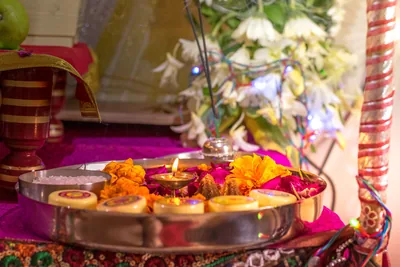
The sister prepares a thali with a lamp, roli, rice and sweets, ties the rakhi, puts a tilak on her brother's forehead and feeds him a sweet. He gives her a gift and his promise. Cousins, friends and neighbours often join in, making it a day of family love.