- Four days
- Kartik Shukla Shashthi
- Bihar, Jharkhand, eastern UP, Nepal's Madhesh
- Offerings to the setting and rising sun
Where it began
Chhath comes from the word for six, as the main day is the sixth day after the Kartik new moon. It is one of the very few Hindu festivals where the sun itself is worshipped, along with Chhathi Maiya, a mother goddess who protects children.
Legend says Sita and Rama kept the fast after returning to Ayodhya, and that Karna, the son of Surya in the Mahabharata, prayed to the sun standing in water every day. Another story tells that Draupadi and the Pandavas kept the Chhath fast to get through hard times.
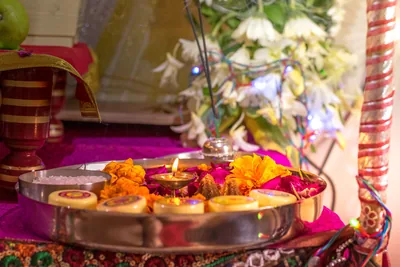
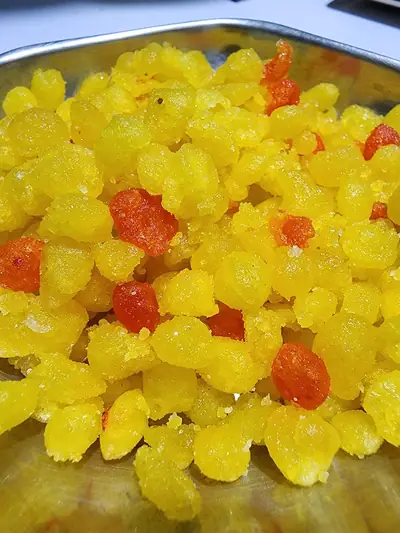
The festival needs no priest. Families keep it themselves with clean, simple offerings: thekua, rice laddoos, sugarcane, bananas and seasonal fruit carried in bamboo baskets.
How it grew over time
Ancient times
Sun worship at rivers and tanks is part of life in the Gangetic plain, and Chhath grows from it.
Folk tradition
Women's songs of Chhath in Bhojpuri, Maithili and Magahi are passed down from mother to daughter.
1900s
Families moving to Kolkata, Delhi and Mumbai carry Chhath to new rivers, lakes and seashores.
Today
Cities build special ghats for Chhath, and the festival is kept in Mauritius, Fiji, the UK and the US.
How it is celebrated in different places
Bihar
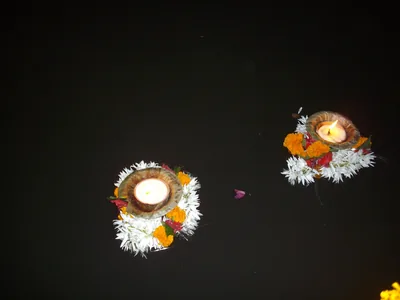
Patna's Ganga ghats fill with lakhs of devotees at sunset, with lamps, songs and baskets of offerings.
Jharkhand and eastern Uttar Pradesh
Villages clean the ponds and decorate the ghats with banana trees and sugarcane arches.
Delhi and Mumbai
Yamuna banks and Juhu beach turn into Chhath ghats, and many cities declare a holiday.
Nepal
In the Madhesh plains and Kathmandu, Chhath is a public festival with gatherings at ponds and rivers.
Mauritius and Fiji
Families of Bhojpuri roots keep the old songs and stand in the sea and rivers at dawn.
Chhath Puja moments
Chhath Puja today
The four days begin with Nahay Khay, a holy bath and simple meal, then Kharna, a fast broken with rice kheer, then the evening arghya to the setting sun, and finally the morning arghya at sunrise. The fasting women, called vratins, are helped by the whole family, and prasad is shared with everyone.