- Five days in Kartik
- Kaag, Kukur, Gai, Govardhan, Bhai Tika
- Nepal and Darjeeling
Where it began
Tihar is also called Swanti or Deepawali. It falls in the lunar month of Kartik, around the same time as Diwali in India. The word Tihar simply means festival, and in Nepal it is the second biggest after Dashain.
One story tells of Yama, the lord of death, who visited his sister Yamuna. She welcomed him with tika, flowers and food, and he promised that any brother who receives tika from his sister will be blessed. This is the root of Bhai Tika, the warm last day of Tihar.
How it grew over time
Ancient times
The worship of animals and of Lakshmi, the goddess of wealth, grew from old Hindu traditions shared across South Asia.
Kingdom of Nepal
Tihar became a national celebration, with lamps, songs and visits between homes across the hills and valleys.
Newar tradition
The Newar people of the Kathmandu Valley keep Mha Puja, a blessing of one's own body and self, and many mark the Nepal Sambat new year in the same days.
Today
Tihar is a public holiday in Nepal, with lights, music and family meals across the country and among Nepalis abroad.
How it is celebrated in different places
Kathmandu Valley
Streets and homes shine with oil lamps and strings of lights, and Newar families keep Mha Puja.
Darjeeling and Sikkim
Nepali-speaking families in India keep Tihar with Bhai Tika and the singing of Deusi and Bhailo.
Nepalis abroad
In the UK, US, Australia and the Gulf, families gather for tika, sel roti and music.
Tihar moments
Tihar today
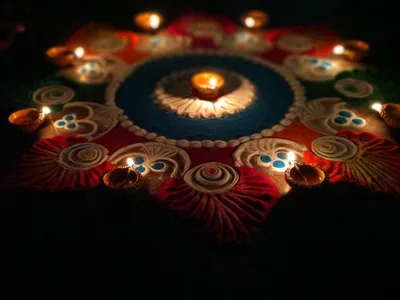
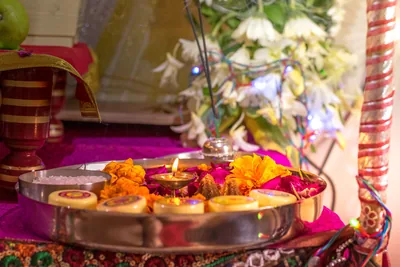
On Kukur Tihar, dogs wear flower garlands and red tika and get a special meal. On Laxmi Puja night, homes are cleaned and lit, and a path of red mud and lamps welcomes the goddess. Groups of young people go from house to house singing Deusi and Bhailo songs and receive treats.
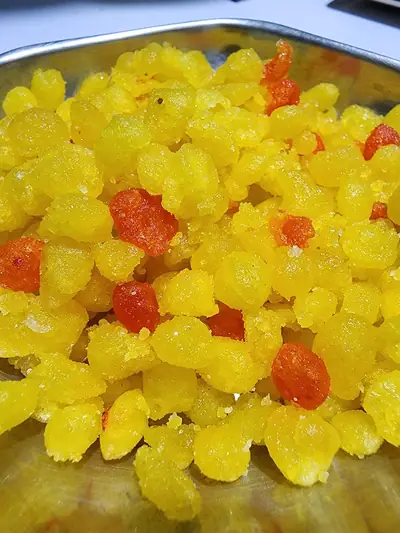
On Bhai Tika, sisters give their brothers a tika of seven colours and a garland of makhamali flowers, and brothers give gifts in return. Sel roti, a sweet ring of rice bread, is on almost every table.