- 13 to 15 April
- Thai traditional new year
- UNESCO intangible heritage since 2023
- Thailand, Laos, Myanmar, Cambodia
Where it began
The name Songkran comes from a Sanskrit word meaning passing or moving. It marks the sun moving into the sign of Aries in the old solar calendar, a time of new year in parts of South and Southeast Asia.
Water is the heart of the festival. Pouring scented water over Buddha images and on the hands of elders is a way to show respect and wish for blessing, and it brings relief in the April heat.
How it grew over time
Ancient times
The solar new year in April was kept across mainland Southeast Asia.
Earlier centuries
Thai kings and families poured water on elders and Buddha images at new year.
1940
Thailand moved its official new year to 1 January, but Songkran stayed a beloved holiday.
2023
UNESCO listed Songkran in Thailand as intangible cultural heritage.
Today
Cities hold big water festivals that welcome visitors from many countries.
How it is celebrated in different places
Bangkok
Streets fill with friendly water fights and temples welcome people making merit.
Chiang Mai
People splash water along the old city moat and build sand stupas at temples.
Laos
Pi Mai Lao is kept in Luang Prabang with processions and blessings.
Myanmar
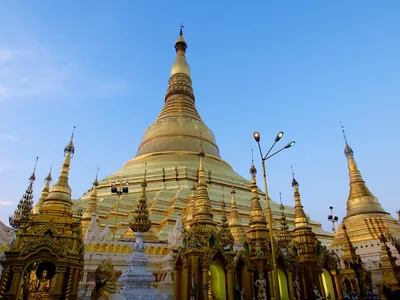
Thingyan brings water festivals and music to the streets.
Cambodia
Khmer New Year falls at the same time, with games and temple visits.
Songkran moments
Songkran today
Families go home to their towns, clean their houses and visit temples. They pour water on the hands of grandparents and receive blessings, then head out to splash friends and neighbours.