- Six days in Aippasi (Oct-Nov)
- Soorasamharam on day six
- Tiruchendur, Tamil Nadu
- Kanda Sashti Kavasam
Where it began
Sashti means the sixth day. The festival ends on the sixth day of the bright half of the moon in Aippasi, the day Murugan is believed to have defeated Surapadman.
Legend says Murugan was born from sparks from Shiva's third eye to end the rule of Surapadman. Given a spear, the vel, by his mother Parvati, he fought for six days. At the end the demon became a mango tree, which Murugan split in two, turning one half into a peacock and the other into a rooster.
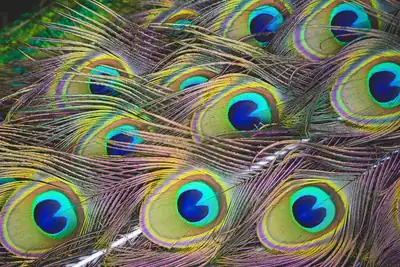
The peacock became his mount and the rooster his flag, showing that even an enemy can be turned to good.
How it grew over time
Ancient times
Murugan is praised in old Tamil Sangam poems as the god of the hills.
Temple tradition
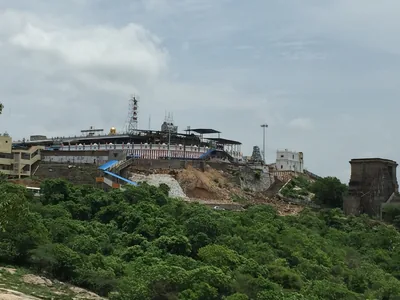
Tiruchendur, on the seashore, became the centre of the Soorasamharam rite.
19th century
The hymn Kanda Sashti Kavasam by Devaraya Swamigal became a much loved prayer.
Today
Lakhs gather at Tiruchendur, and Murugan temples worldwide stage the battle.
How it is celebrated in different places
Tiruchendur
The battle is acted out on the beach before huge crowds.
Palani and other abodes
Murugan's hill temples hold six days of worship.
Malaysia and Singapore
Tamil temples stage Soorasamharam with processions.
Sri Lanka
Murugan temples in Jaffna and the east hold the festival.
Skanda Sashti moments
Skanda Sashti today
Many devotees fast for six days, eat one simple meal, and recite Kanda Sashti Kavasam. After the Soorasamharam, the festival ends with Thirukalyanam, the wedding of Murugan and Deivanai.