- Spring equinox, around 21 March
- Over 3,000 years old
- Haft-sin table
- Iran, Afghanistan, Central Asia, Azerbaijan, Kurdish regions
Where it began
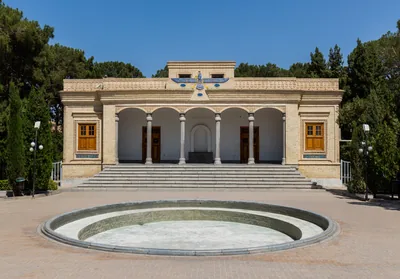
Nowruz has roots in the ancient lands of Iran and is linked to Zoroastrian traditions that honour light and new life. It starts at the exact moment of the spring equinox, when day and night are equal.
Legend in the Persian Book of Kings tells that the mythical king Jamshid rose into the sky on a throne, and people named that day Nowruz. The story shows the joy of light coming back after winter.
How it grew over time
Ancient Persia
Spring new year rites were kept in the lands of Iran.
Achaemenid era
Many scholars believe new year gatherings were held at Persepolis.
Medieval period
Poets wrote about Nowruz and the custom spread along the Silk Road.
2009
UNESCO listed Nowruz as intangible cultural heritage.
2010
The United Nations named 21 March the International Day of Nowruz.
Today
About 300 million people across many countries mark the day.
How it is celebrated in different places
Iran
Families set the haft-sin table with seven items starting with the letter S, such as sprouts and apples.
Afghanistan
People share haft mewa, a mix of seven dried fruits soaked in water.
Central Asia
In Kazakhstan, Uzbekistan and nearby lands, families cook sumalak, a sweet wheat dish, through the night.
Azerbaijan
People jump over small bonfires and share sweets like shekerbura.
Diaspora
Persian communities in the US, Canada and Europe hold Nowruz parties and fairs.
Nowruz moments
Nowruz today
Families clean their homes, buy new clothes and visit elders first. On the last Wednesday evening of the old year many jump over small fires for good luck. Thirteen days later, families go outside for a picnic.