- Kartik Krishna Chaturdashi
- October or November
- Choti Diwali in the north
- Oil bath before dawn
Where it began
Naraka was a demon king who troubled the gods and held many people captive. Legend says Krishna, with his wife Satyabhama, defeated him and set the captives free.
One story tells that as he died, Naraka asked that people remember the day with lights and joy. So the day starts before sunrise with lamps and celebration.
In the north the day is called Choti Diwali, small Diwali, and in some homes a lamp is lit for Yama, the lord of death, for the long life of the family.
How it grew over time
Ancient times
The story of Narakasura is told in the Bhagavata Purana and other texts.
Medieval period
The early oil bath and lamps become part of Diwali in the south and west of India.
Modern times
Crackers at dawn become a much loved custom, especially in Tamil Nadu.
Today
Families across India mark the day as the start or the heart of Diwali.
How it is celebrated in different places
Tamil Nadu
Deepavali is kept on this morning, with an oil bath, new clothes, sweets and crackers at dawn.
Goa
Large paper effigies of Narakasura are made and burnt before sunrise.
Maharashtra
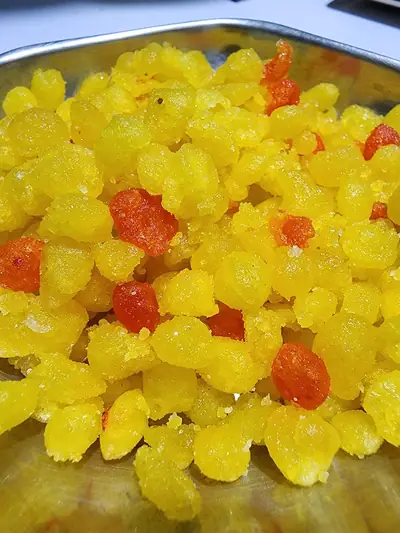
Abhyanga snan, the early oil bath with fragrant ubtan, opens the day, followed by faral sweets.
North India
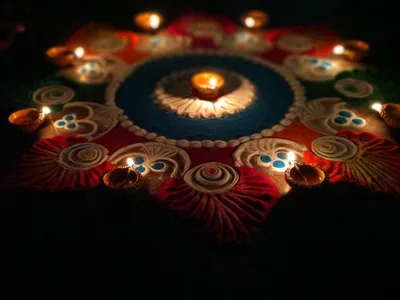
Choti Diwali brings the first lamps, rangoli and a lamp for Yama at the door.
Karnataka, Andhra Pradesh and Telangana
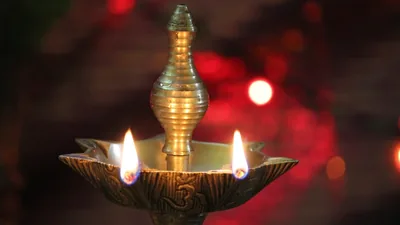
Families bathe early, wear new clothes and light lamps around the home.
Naraka Chaturdashi moments
Naraka Chaturdashi today
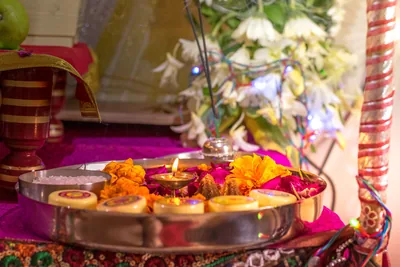
Families wake in the dark, take an oil bath, wear new clothes and share sweets with neighbours. Homes glow with lamps, and children enjoy sparklers with their elders.