- Kartik Amavasya
- Same night as Diwali
- West Bengal, Tripura, Assam
- Night long worship
Where it began
Kali is a fierce form of the Mother Goddess. Legend says she appeared to defeat demons who troubled the world, and she protects her devotees from fear and harm.
She is shown dark, with flowing hair and many arms. Devotees see her as a loving mother who removes evil and darkness.
Worship of Kali grew strong in Bengal in medieval times, and the night of the new moon in Kartik became her special time.
How it grew over time
Ancient times
Kali appears in texts such as the Devi Mahatmya as a form of the Goddess.
18th century
Kali Puja becomes a widely kept festival in Bengal, with support from local rulers and landowners.
19th century
Ramakrishna serves as a priest of Kali at Dakshineswar, and the temple becomes a great centre of devotion.
Today
Community pandals, lights and fireworks make Kali Puja one of Bengal's biggest nights.
How it is celebrated in different places
Kolkata, West Bengal
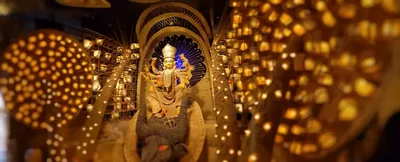
Kalighat and Dakshineswar temples draw huge crowds, and lit pandals fill the streets.
Barasat and Naihati
These towns are known for large and creative Kali Puja pandals.
Tripura
The Tripura Sundari temple holds a big fair at the time of Diwali.
Assam and Odisha
Families and clubs hold night worship with lamps, music and offerings.
Kali Puja moments
Kali Puja today
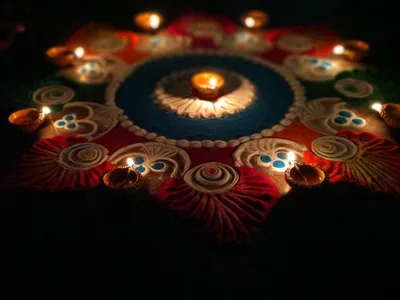
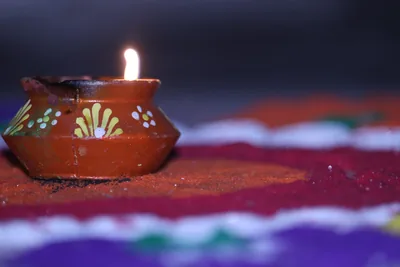
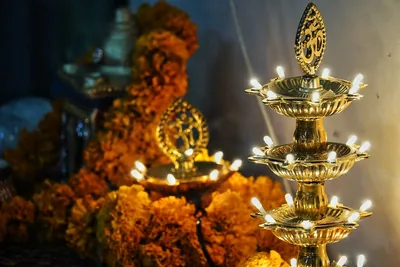
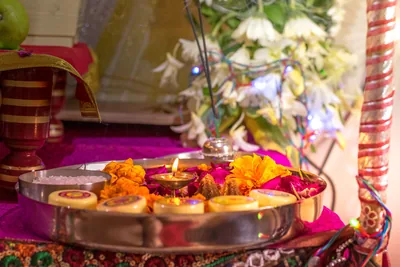
Homes are lit with diyas and candles, and families visit pandals late into the night. The worship begins at midnight in many places, and the next day people share bhog and sweets.