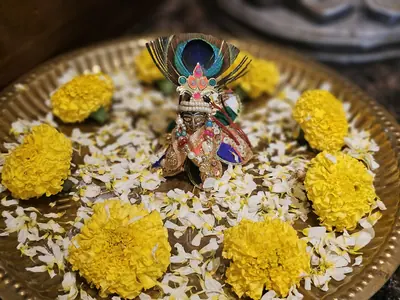
- Kartik Shukla Pratipada
- Day after Diwali
- Annakut, mountain of food
- Mathura and Vrindavan
Where it began
Govardhan is a hill near Mathura in Uttar Pradesh. Legend says the people of Braj prayed to Indra for rain, and young Krishna asked them to honour the hill and their cows instead, as these fed and sheltered them.
One story tells that Indra grew angry and sent heavy rain for seven days. Krishna lifted the Govardhan hill on his little finger, and all the people and cattle stayed safe under it.
Annakut means a heap of food. Temples prepare dozens or even hundreds of dishes and offer them to Krishna as thanks for the harvest.
How it grew over time
Ancient times
The lifting of Govardhan is told in the Bhagavata Purana and other texts about Krishna's childhood.
Medieval period
The Braj region grows as a pilgrim land, and devotion to Krishna spreads through songs and poems.
16th century
The Pushtimarg tradition makes Annakut a great temple feast, and the Nathdwara temple keeps it with grand offerings.
Today
Pilgrims walk around the Govardhan hill, and temples across India offer Annakut.
How it is celebrated in different places
Mathura and Vrindavan
Devotees walk the 21 km path around the hill, a walk called parikrama, and offer milk at its shrines.
Nathdwara, Rajasthan
The Shrinathji temple offers a vast Annakut, and pilgrims come to see the feast.
Gujarat
The day is also New Year for many families, with visits, sweets and greetings.
Temples around the world
Temples build tall food mountains with sweets and savouries, then share them with visitors.
Govardhan Puja moments
Govardhan Puja today
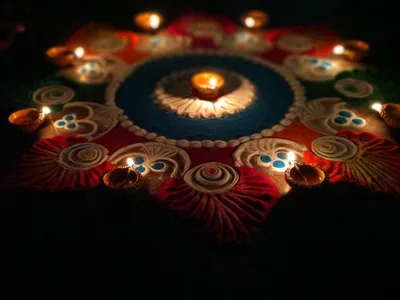
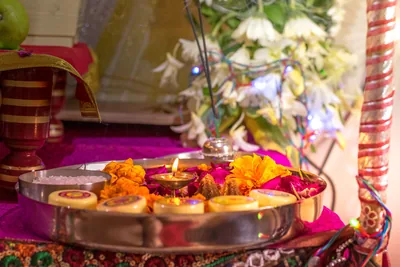
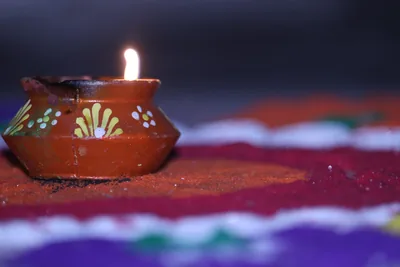
Homes shape a little Govardhan in the courtyard, decorate it with flowers and lamps, and walk around it in prayer. Cows are bathed and decorated, and families share a meal of many dishes.