- Kartik Krishna Trayodashi
- Two days before Diwali
- Gold, silver and new utensils
- National Ayurveda Day in India
Where it began
The name joins dhan, wealth, and teras, the thirteenth day. Legend says that when the gods and demons churned the ocean, Dhanvantari rose from it on this day carrying a pot of amrit, the nectar of life. Lakshmi also came from the ocean, so the day honours both health and wealth.
Another story tells of a young prince who was fated to die on the fourth day of his marriage. His wife lit lamps, piled gold and silver at the door and sang songs all night. When Yama came as a serpent, he was dazzled by the glow and left the prince alive. Families still light a lamp facing south, the Yama deepam, on this night.
How it grew over time
Ancient times
Dhanvantari is honoured as the father of Ayurveda, the old Indian science of health.
Medieval period
Merchants clean shops and worship their wealth, and buying metal on this day becomes a custom.
2016
India begins marking Dhanteras as National Ayurveda Day.
Today
Jewellers and markets are busiest of the year, with families buying coins, utensils and new things.
How it is celebrated in different places
North and West India
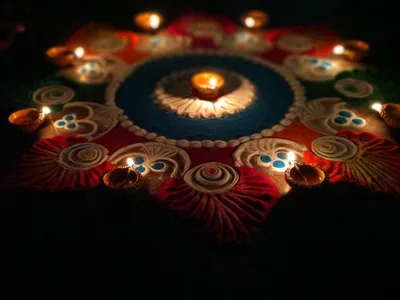
Homes are cleaned and lit, rangoli is drawn, and people buy gold, silver or steel vessels.
Maharashtra
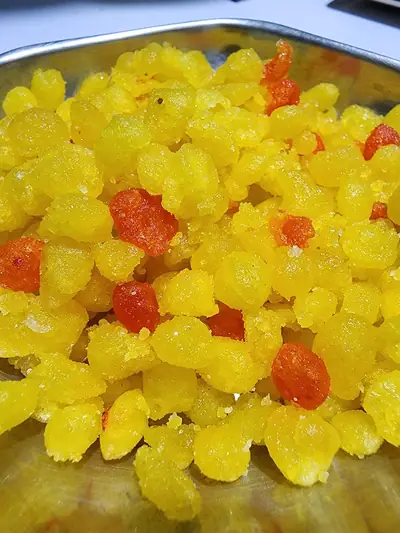
Families offer naivedya of coriander seeds and jaggery, and farmers honour their cattle.
Gujarat
Business families worship their account books and wealth before the new year.
Nepal
The first day of Tihar, Kaag Tihar, falls around this time, with food offered to crows.
Dhanteras today
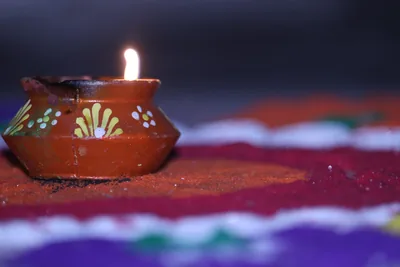
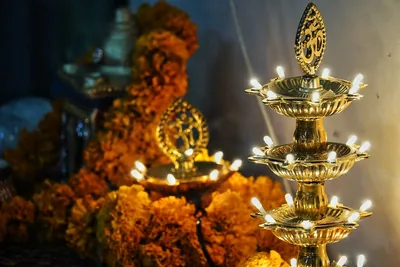
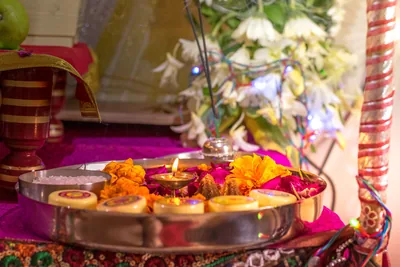
In the evening families light diyas, pray to Lakshmi and Dhanvantari, and set a lamp outside for Yama. A new utensil or a small coin bought that day is kept in the puja and used on Diwali night.