- Days before Ash Wednesday
- February or early March
- Masks, costumes and parades
- Brazil, Italy, Trinidad, Germany, US
Where it began
Carnival comes before Lent, the forty days of fasting before Easter. Many think the name comes from Latin words about putting away meat, since meat was given up during Lent.
In medieval Europe people ate rich foods and held feasts before the fast began. Towns held processions and plays, and people wore masks so everyone could join in as equals.
When Europeans moved to the Americas, carnival mixed with African and local traditions. This gave rise to samba in Brazil and calypso and steelpan music in Trinidad.
How it grew over time
Medieval Europe
Towns held feasts, games and processions in the days before Lent.
1700s
Venice became famous for its masked balls and elegant masks.
1800s
Carnival in Trinidad grew with music and masquerade after the end of slavery.
1930s
Samba schools began to parade in Rio de Janeiro.
Today
Big carnivals draw millions of people and visitors from around the world.
How it is celebrated in different places
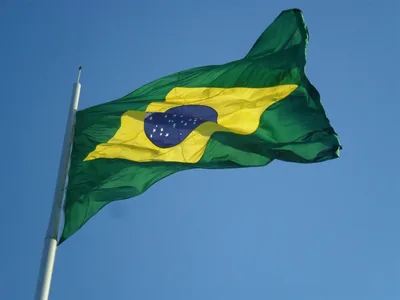
Rio de Janeiro, Brazil
Samba schools parade with huge floats and dancers in bright feathers.
Venice, Italy
People stroll by the canals in beautiful masks and old style costumes.
Trinidad and Tobago
Bands of masqueraders dance through the streets to soca and steelpan music.
Cologne, Germany
The season of fun ends with parades where sweets are thrown to the crowd.
New Orleans, US
Mardi Gras parades toss colourful beads to people along the route.
Carnival moments
Carnival today
Families and friends make costumes, join street parties and watch parades. Many cities have their own music, foods and characters, and the fun ends on Shrove Tuesday, the day before Ash Wednesday.