- Last day of Margazhi
- Day before Pongal
- Tamil Nadu, Andhra Pradesh, Telangana, Karnataka
Where it began
Bhogi is kept on the last day of the Tamil month of Margazhi. The name is linked with Indra, the god of rain and clouds, who is thanked for the rains that brought the harvest.
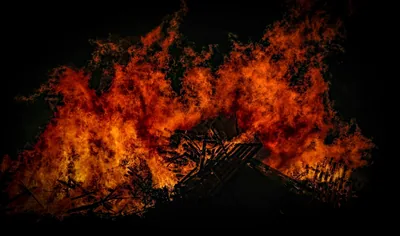
The bonfire of old things, called Bhogi Mantalu in Telugu, stands for letting go of the past. A Tamil saying, 'pazhayana kazhidhalum puthiyana puguthalum', means the old goes away and the new comes in.
How it grew over time
Ancient times
Farming communities thanked the rain god before the harvest, and cleared homes for the new season.
Medieval period
Bhogi became the first of the four Pongal days in Tamil country and of Sankranti in Telugu country.
Recent years
Cities ask people to avoid burning tyres and plastic, and many now burn only dry leaves and wood.
Today
Bhogi is kept with cleaning, a small fire, new clothes and the start of Pongal shopping.
How it is celebrated in different places
Tamil Nadu
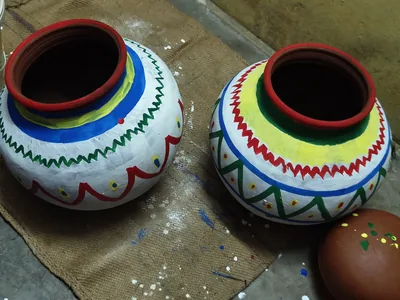
Homes are cleaned and whitewashed, and children beat small drums called bhogi melam around the fire.
Andhra Pradesh and Telangana
Bhogi Mantalu bonfires burn at dawn, and children receive Bhogi Pallu, a shower of berries, flowers and coins for blessing.
Karnataka
Families prepare for Sankranti with ellu-bella, a mix of sesame and jaggery shared with neighbours.
Bhogi today
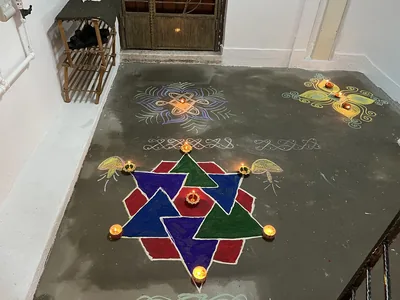
Before sunrise, families gather around a fire in the street or yard and drop in old mats, dry leaves and things they no longer need. Houses are cleaned, walls are painted, and fresh kolams are drawn.
In Telugu homes, young children are showered with regi pallu (jujube fruit), flowers and coins in the evening, a blessing for health.