- Kept in every culture
- Rings, fire, vows and feasts
- Family and friends as witnesses
Where it began
Marriage is one of the oldest customs we know. Records from ancient Mesopotamia, Egypt, India and China describe marriage rites, promises and gifts between families.
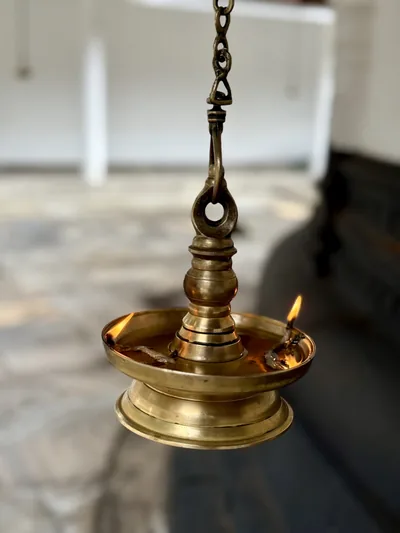
In Hindu weddings the couple walk around a sacred fire and take seven steps together, the saptapadi, each step a promise. These rites are described in very old Vedic texts and are still at the heart of the ceremony.
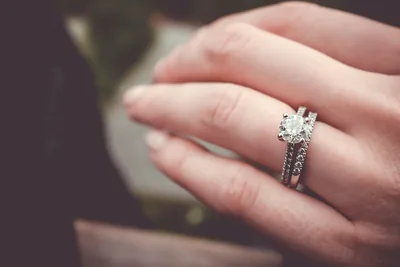
The Romans gave rings at betrothal, and one old belief held that a vein ran from the fourth finger straight to the heart. In 1840 Queen Victoria wore a white gown at her wedding, and white dresses became popular in many countries after that.
How it grew over time
Ancient times
Marriage rites and family agreements appear in the oldest written records.
Vedic period
The sacred fire and the seven steps become central to Hindu weddings.
Roman times
Rings are given at betrothal, worn on the fourth finger.
1840
Queen Victoria's white wedding gown starts a lasting fashion.
Today
Couples blend old family rites with their own personal touches.
How it is celebrated in different places
Tamil Nadu
The groom ties the thali around the bride's neck to the sound of the nadaswaram and drums.
North India
Weddings bring mehendi, sangeet with music and dance, and the baraat procession.
China
Red is the colour of joy, and the couple serve tea to their elders as a sign of respect.
Jewish weddings
The couple stand under a canopy called a chuppah, and a glass is broken at the end.
Europe and the Americas
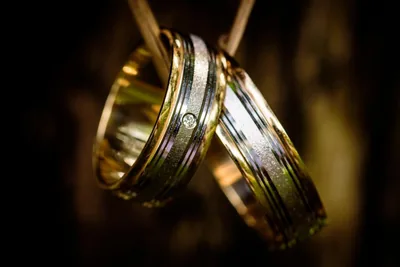
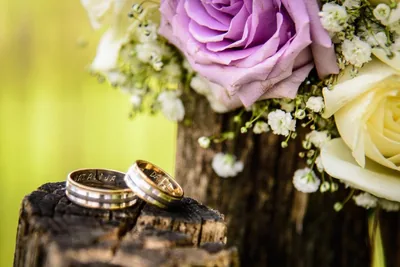
Rings and vows are exchanged, followed by a reception with cake and a first dance.
Wedding moments
Wedding today
Today weddings can last a few hours or many days. Whatever the size, the best moments are the same: blessings from elders, laughter with friends and a shared meal.