- First day of Medam
- Usually 14 or 15 April
- Kerala and parts of Karnataka
Where it began
Vishu comes from the Sanskrit word vishuva, meaning equal. It marks the Sun's entry into Mesha (Aries), close to the spring equinox in the old calendar.
One story tells that Krishna defeated the demon Narakasura on this day. Another tells that the Sun returned to its full path after the demon Ravana ended his control of it.
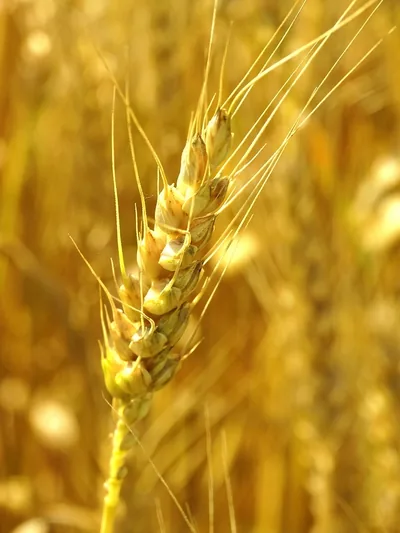
Vishu is also a farming new year, when farmers begin work in the fields after the first summer rains.
How it grew over time
Ancient times
The Sun's entry into Mesha was marked as a new beginning across South India and beyond.
Farming years
Vishu became the start of the farming year in Kerala, when ploughing and sowing began.
Over time
The Kani, the gift of coins and the family feast became the heart of the day in every Malayali home.
Today
Vishu is a holiday in Kerala, kept with the Kani, the feast and fireworks.
How it is celebrated in different places
Kerala
Vishukkani is set the night before, and families see it first thing in the morning with their eyes closed until then.
Sabarimala and Guruvayur
Large crowds see the Vishukkani at the temples at dawn.
Tulu Nadu, Karnataka
Called Bisu, it is the Tulu New Year with a similar kani.
Gulf countries
Malayali families set the Kani at home and share the Vishu Sadya with friends.
Vishu moments
Vishu today
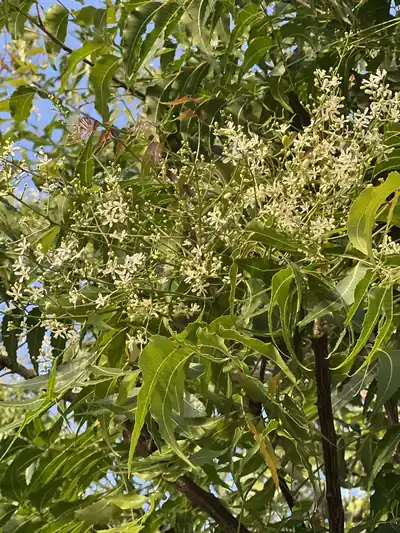
On the eve, the mother sets the Kani with a bronze uruli of rice, golden konna flowers, cucumber, jackfruit, mango, a mirror, gold coins and a lit lamp before Krishna. At dawn, each person is led with eyes closed to see it first.
Elders give coins to the young as Vishukkaineettam. Children burst crackers, and the family shares the Vishu Sadya.