TodayTools

About Tulsi Vivah

00 days

About Tulsi Vivah

Tulsi Vivah is the ceremonial wedding of the holy tulsi (basil) plant to Lord Vishnu, in the form of a Shaligram stone or an idol of Krishna. It is held in the month of Kartik, in October or November, on the day after Dev Uthani Ekadashi, when Lord Vishnu is said to wake from his four-month sleep.

Families dress the tulsi plant as a bride with a red chunri, bangles and a little mangalsutra, build a small mandap of sugarcane, and hold the wedding rites with songs, an aarti and prasad. The story of Vrinda, the devoted wife who became the tulsi plant, is retold.

Tulsi Vivah marks the start of the Hindu wedding season, after the four months of Chaturmas. It is kept in homes and temples across Maharashtra, Gujarat, Uttar Pradesh, Rajasthan and much of India.

  • Kartik Shukla Ekadashi or Dwadashi
  • October or November
  • Start of wedding season
  • Maharashtra, Gujarat, UP

Where it began

Tulsi, holy basil, is grown and worshipped in many Hindu homes. She is seen as a form of Goddess Lakshmi and is very dear to Lord Vishnu.

Legend says Tulsi was once Vrinda, a devoted wife. Moved by her faith, Vishnu blessed her to be worshipped as the tulsi plant and promised to marry her.

The wedding comes after Prabodhini Ekadashi, the day Vishnu is said to wake from his four months of sleep. With his waking, weddings and other happy events begin again.

The tulsi stand in the courtyard, where the wedding is held

How it grew over time

  1. Ancient times

    The tulsi plant is honoured in the Puranas, and the story of Vrinda is told in them.

  2. Medieval period

    Home worship of the tulsi plant spreads, and the yearly wedding becomes a family rite.

  3. Modern times

    Temples and housing societies hold group Tulsi weddings with music and sweets.

  4. Today

    Families across India and Nepal hold the wedding at home, and the human wedding season starts soon after.

How it is celebrated in different places

  • Maharashtra

    The tulsi pot is painted, a sugarcane mandap is built, and the wedding is held at dusk with songs.

  • Gujarat

    Families and temples hold a full wedding with a groom's procession for Shaligram.

  • Uttar Pradesh and Bihar

    Women dress the tulsi as a bride with a red cloth and bangles.

  • Nepal

    Families hold the rite at home and in temples in the month of Kartik.

Tulsi Vivah moments

A painted tulsi planter, cared for every dayPalakkad, Kerala
Holy basil, dear to Lord Vishnu
The tulsi plant is honoured as a form of Lakshmi

Tulsi Vivah today

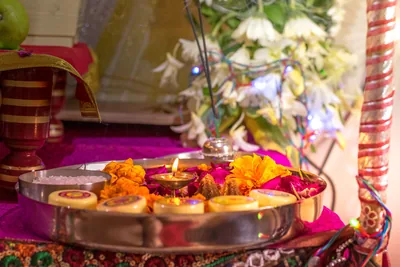
Families decorate the tulsi plant like a bride, set up a small mandap of sugarcane, and hold a short wedding with mantras and songs. They share sweets, fruit and sugarcane with neighbours.
How people celebrate Tulsi Vivah

  • Dressing the tulsi as a bride
  • A sugarcane mandap
  • Shaligram or Krishna as the groom
  • Wedding songs and aarti
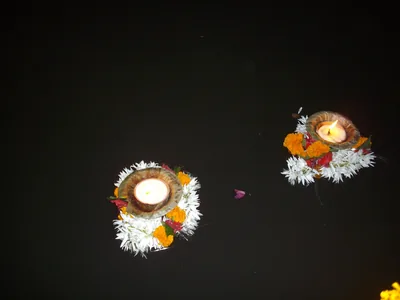
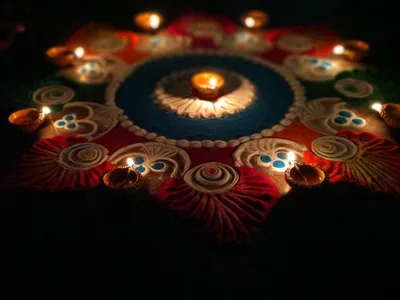
  • Lamps around the tulsi vrindavan
  • Start of the wedding season

How to wish well

  • Send wishes in the evening, around the time of the wedding puja.
  • Wishes for happy marriages and new beginnings suit this day.
  • Keep the tone devotional and warm.

Questions about Tulsi Vivah

When is Tulsi Vivah 2026?

Tulsi Vivah falls on 21 November 2026, the day after Dev Uthani Ekadashi. Some families hold it on the ekadashi evening.

Why is Tulsi Vivah celebrated?

It celebrates the marriage of Tulsi to Lord Vishnu and marks the end of Chaturmas, when weddings can begin again.

Who is married to Tulsi?

Lord Vishnu, as a Shaligram stone, or Lord Krishna.

What is Dev Uthani Ekadashi?

The Kartik ekadashi on which Lord Vishnu is believed to wake from four months of sleep, ending Chaturmas.

What do you say on Tulsi Vivah?

Say "Happy Tulsi Vivah". In Hindi, "Tulsi Vivah ki hardik shubhkamnayein".

Keep exploring

Related

Coming up next

    All festival wishes

    Donate