- Thai month, Pusam star
- Full moon day
- India, Malaysia, Singapore, Sri Lanka, Mauritius
Where it began
The name joins the month Thai and the star Pusam. On this day, the goddess Parvati is said to have given Murugan the Vel, a holy spear, to defeat the demon Soorapadman.
Another story tells of Idumban, who carried two hills on a pole across his shoulders to Palani, at Murugan's wish. The kavadi, a decorated pole carried on the shoulders, recalls his devotion.
How it grew over time
Ancient times
Murugan worship is among the oldest in Tamil land, praised in Sangam poems.
Medieval period
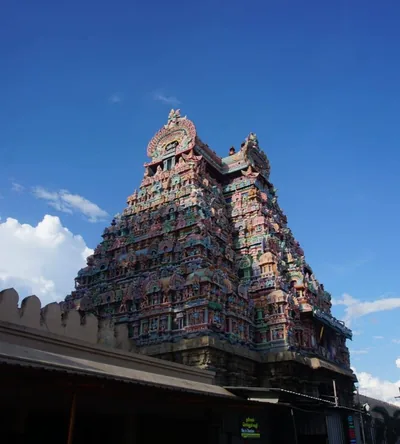
Palani and other Murugan temples drew pilgrims with kavadi on Thai Pusam.
19th century
Tamil workers carried Thaipusam to Malaysia, Singapore, Mauritius and South Africa.
1892
Thaipusam began at the Batu Caves in Malaysia, where the temple was set up in a limestone cave.
Today
Batu Caves draws over a million people, and Palani is crowded with pilgrims.
How it is celebrated in different places
Palani, Tamil Nadu
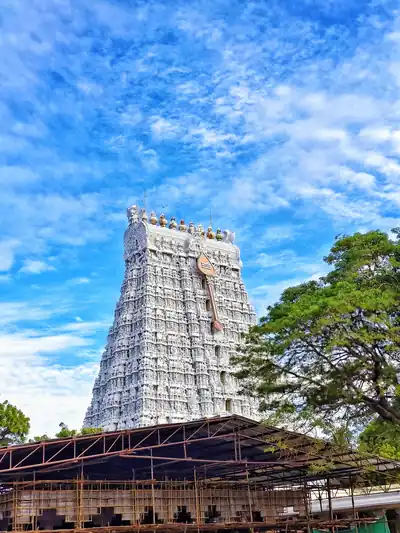
Pilgrims walk from far towns to the hill temple carrying kavadi.
Batu Caves, Malaysia
Devotees climb 272 steps to the cave temple beside a giant golden statue of Murugan.
Singapore
A procession goes from the Sri Srinivasa Perumal temple to the Sri Thendayuthapani temple.
Mauritius and South Africa
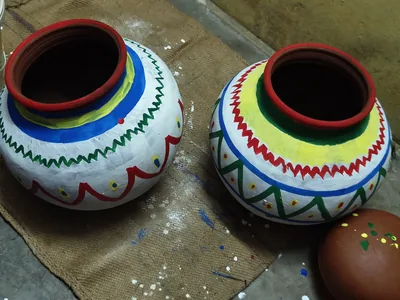
Tamil communities hold processions with kavadi and milk pots.
Thaipusam moments
Thaipusam today
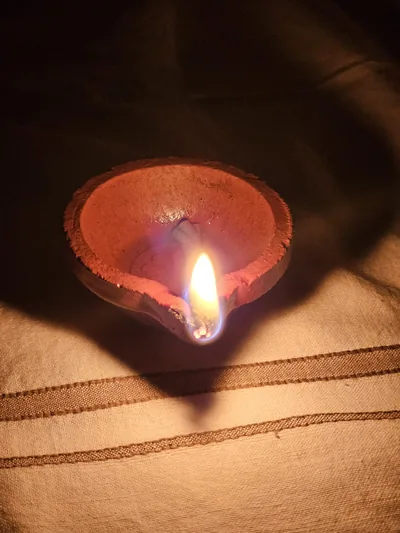
Devotees prepare with fasting and prayer for days. On the day, they carry paal kudam (milk pots) or kavadi decorated with peacock feathers and flowers, walking to the temple while singing 'Vel Vel Muruga'.
The milk is poured over Murugan's idol, and families share food with the pilgrims.