- Around Kartik Amavasya
- October or November
- Jharkhand, Bengal, Odisha, Chhattisgarh
Where it began
Sohrai thanks the cattle that help farmers plough the fields and bring in the harvest. It falls around the new moon of Kartik, near Diwali, though Santal communities keep their Sohrae in the winter months.
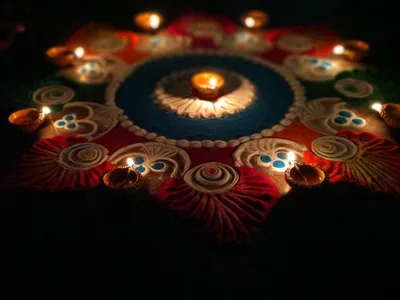
Cattle are washed, oiled, painted and fed special food. Lamps are lit in the cattle shed, and people sing songs of thanks to them.
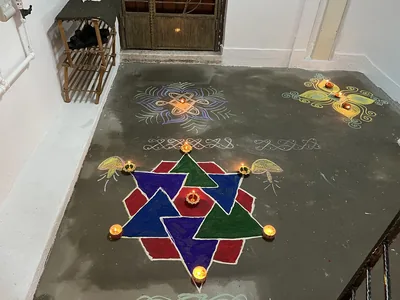
Before the festival, women paint the walls of their homes with Sohrai art, using earth colours to draw animals, plants and patterns. Sohrai Khovar painting of Hazaribagh has received a Geographical Indication tag.
How it grew over time
Ancient times
Farming communities thank cattle and the earth at the end of the harvest.
Through the centuries
Women pass the art of Sohrai wall painting from mother to daughter.
Modern times
Sohrai Khovar painting of Hazaribagh gains wide notice and a GI tag.
Today
The festival is kept across eastern India, and Sohrai art is seen on public walls.
How it is celebrated in different places
Hazaribagh
Women paint homes in the Sohrai and Khovar styles with natural earth colours.
Villages of Jharkhand
Cattle are honoured, lamps are lit and songs are sung through the night.
Santal areas of Bengal and Odisha
Sohrae is kept in winter with dance, music and family visits.
Sohrai today
Families clean and paint their homes, decorate cattle with colour and garlands, and share food and rice beer. Dance and drum music fill the evenings, and Sohrai art now also brightens railway stations and city walls in Jharkhand.