TodayTools

About Shogatsu (Japanese New Year)

00 days

About Shogatsu (Japanese New Year)

Shogatsu, or Oshogatsu, is the Japanese New Year, the most important holiday of the year in Japan. It is celebrated on 1 January, with the first three days, called sanganichi, the main holiday.

Before the new year, families clean their homes from top to bottom and put up kadomatsu of pine and bamboo by the door and kagami mochi rice cakes inside. On New Year's Eve, temple bells ring 108 times and families eat toshikoshi soba.

On New Year's Day people eat osechi, beautiful boxed dishes, and ozoni soup with mochi, visit a shrine or temple for hatsumode, the first prayer of the year, and read the nengajo New Year cards that arrive that morning. Children receive otoshidama, gifts of money in small envelopes.

  • 1 January, main days 1 to 3 January
  • Solar calendar since 1873
  • Hatsumode shrine visits
  • Japan

Where it began

Shogatsu means the first month. It is a time to welcome Toshigami, the god of the new year, who is believed to bring good harvests and blessings to each home.

Homes are cleaned and decorated with kadomatsu, made of pine and bamboo, and shimekazari, rope decorations on doors, to welcome the god. For a long time Japan kept the new year on the lunar calendar, like its neighbours.

Crowds line up for the first shrine visit of the yearMeiji Jingu, Tokyo

How it grew over time

  1. Ancient times

    New year rites welcomed the year god and honoured ancestors.

  2. Heian period

    The court kept many new year ceremonies and feasts.

  3. 1873

    Japan adopted the Western calendar, and the new year moved to 1 January.

  4. 1949

    The New Year lottery postcards began, making nengajo cards even more popular.

  5. Today

    Millions of people visit shrines and temples in the first days of January.

How it is celebrated in different places

  • Tokyo

    Huge crowds visit Meiji Jingu shrine for the first prayer of the year.

  • Kyoto

    Temples ring their great bells 108 times on New Year's Eve.

  • Homes across Japan

    Families eat osechi ryori in lacquer boxes and ozoni soup with mochi.

  • Okinawa

    Some families also keep the old lunar new year with special foods.

Shogatsu (Japanese New Year) moments

Thousands come to pray for a good yearMeiji Jingu, Tokyo
Visitors fill the shrine courtyard in early JanuaryMeiji Jingu, Tokyo
Wide steps lead up to a temple hall
Banners line a quiet path to the shrine

Shogatsu (Japanese New Year) today

On New Year's Eve, families eat soba noodles for a long life and listen to temple bells. On the first days they visit shrines, draw fortunes, give children otoshidama money and read their New Year cards.

How people celebrate Shogatsu (Japanese New Year)

  • Osechi and ozoni with mochi
  • Hatsumode: first shrine or temple visit
  • Nengajo New Year cards
  • Otoshidama for children
  • Kadomatsu and kagami mochi
  • Watching the first sunrise (hatsuhinode)
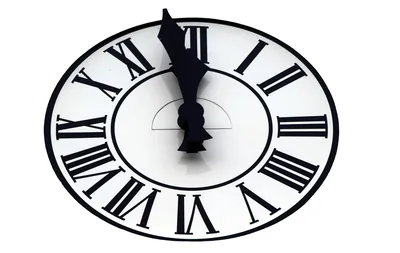
  • Joya no kane: 108 bell rings

How to wish well

  • Before 1 January, say "Yoi otoshi wo" (Have a good year end). From 1 January, say "Akemashite omedetou gozaimasu".
  • For colleagues and customers add "Kotoshi mo yoroshiku onegai shimasu" (I look forward to your kind support this year too).
  • Families in mourning do not send or receive New Year greetings; they send a short mourning card in December, so send a gentle winter greeting instead.
  • Nengajo cards are usually written with the zodiac animal of the new year.

Questions about Shogatsu (Japanese New Year)

When is Japanese New Year?

On 1 January. The first three days of January are the main holiday, and many offices close from about 29 December to 3 January.

How do you say Happy New Year in Japanese?

"Akemashite omedetou gozaimasu" (あけましておめでとうございます). Friends say the short "Akeome".

What is nengajo?

Japanese New Year postcards. People post them in December and the post office delivers them all on the morning of 1 January.

What do Japanese people eat at New Year?

Osechi ryori, colourful boxed dishes with wishes for long life and good luck, and ozoni, a soup with mochi rice cakes. On New Year's Eve, toshikoshi soba noodles.

What is hatsumode?

The first visit of the year to a shrine or temple, to pray for health and luck in the new year.

What is otoshidama?

New Year money that parents and relatives give children in small decorated envelopes.

Keep exploring

Related

Coming up next

    All festival wishes

    Donate