- 26 January every year
- Constitution in force since 1950
- Parade on Kartavya Path
- National holiday
Where it began
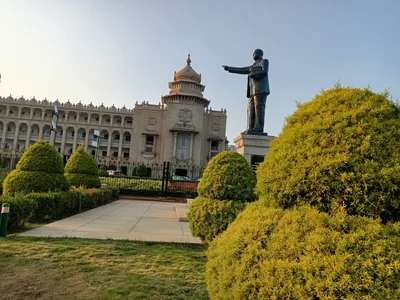
After independence in 1947, India still needed its own rule book. A Constituent Assembly met to write it, and its Drafting Committee was chaired by Dr B. R. Ambedkar. The Assembly adopted the Constitution on 26 November 1949.
The leaders chose 26 January for it to come into force. On that date in 1930 the freedom movement had declared its call for Purna Swaraj, complete self-rule, so the day already carried deep meaning.
On 26 January 1950 the Constitution took effect and Dr Rajendra Prasad became the first President of India. From that day the country was governed by laws its own people had written.
How it grew over time
1930
The freedom movement marks 26 January as a day of complete independence, a date kept every year after.
1946 to 1949
The Constituent Assembly debates and writes the Constitution, adopting it on 26 November 1949.
1950
The Constitution comes into force and the first Republic Day is held in New Delhi.
Later decades
The parade grows into a show of state tableaux, military contingents, bands and folk dancers, with a foreign leader often invited as chief guest.
2022
The parade avenue in New Delhi, long called Rajpath, is renamed Kartavya Path.
Today
The celebrations close on 29 January with the Beating Retreat ceremony of military bands at Vijay Chowk.
How it is celebrated in different places
New Delhi
The President unfurls the flag and takes the salute as regiments, bands, tableaux and flypasts move down Kartavya Path.
State capitals
Governors raise the flag and watch parades with tableaux that show the state's crafts, dances and history.
Schools and colleges
Students march, read the Preamble aloud and stage songs and plays about the Constitution.
Indians abroad
Embassies and community groups hold flag ceremonies and cultural evenings for Indians living overseas.
Republic Day (India) moments
Republic Day (India) today
Families gather in front of the television in the morning to watch the parade, and children wait for the colourful state tableaux and the flypast at the end.
Across the country people raise the flag at home, in offices and in housing colonies, read the Preamble and share sweets. Many also use the day to talk about the rights and duties the Constitution gives every citizen.