- Three days in mid June
- Centred on Mithuna Sankranti
- Odisha
Where it began
Raja comes from rajaswala, a word for a woman in her monthly cycle. Belief holds that Mother Earth, Bhudevi, rests during these days as the monsoon begins, getting ready to bear new crops.
So for three days no one ploughs or digs the earth. The days are Pahili Raja, Raja Sankranti and Bhuin Dahana. On the fourth day, Vasumati Gadhua, the earth is bathed in a symbolic rite.
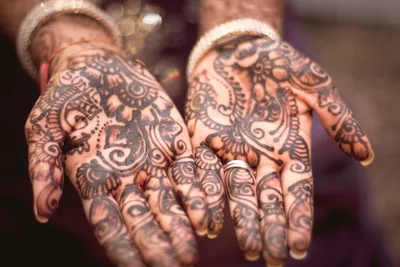
In the same spirit, girls and young women take a rest from work, wear new clothes and adorn themselves, and the festival honours women as givers of life.
How it grew over time
Ancient times
Farming communities honour the earth as the rains arrive.
Medieval period
The festival becomes part of the rural year across coastal Odisha.
20th century
Raja songs and swings spread to towns and cities.
Today
Raja is a state holiday and is kept by Odias everywhere.
How it is celebrated in different places
Coastal Odisha
Villages hang swings from trees and girls sing Raja songs as they swing.
Cities of Odisha
Families buy new clothes and host friends for pitha and paan.
Odias abroad
Community groups hold Raja evenings with food, songs and dance.
Raja Parba today
Homes make poda pitha, a slow baked rice cake, and many other sweets. Young people play games, enjoy Raja songs and share paan. The festival is a joyful welcome to the rains and to the season of new crops.