- 31 December
- Countdown to midnight
- Hogmanay in Scotland
Where it began
Since 1 January became the start of the year in the Roman calendar, the night before has been a time to close the old year. Many old customs aimed to bring luck into the new one.
In Scotland, Hogmanay grew into one of the best known New Year's Eve festivals. The song Auld Lang Syne, written down by the poet Robert Burns in 1788, is now sung at midnight in many countries.
In many churches, people hold a watch night service on 31 December, praying and giving thanks as the year turns.
How it grew over time
Roman times
The end of December becomes the close of the year on the Roman calendar.
1788
Robert Burns writes down Auld Lang Syne, later sung at midnight around the world.
1907
A lit ball is first lowered at midnight in Times Square, New York.
Late 20th century
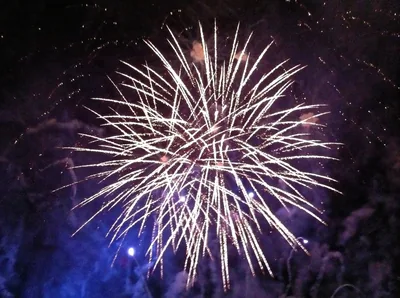
Big city fireworks and live broadcasts make midnight a global moment.
Today
Parties, prayers and fireworks follow midnight across every time zone.
How it is celebrated in different places
Brazil
Many people wear white and gather on the beaches, and some jump seven waves for luck.
Spain
Twelve grapes are eaten at the twelve strokes of midnight.
Philippines
Families set out round fruits on the table to wish for a prosperous year.
Germany
Silvester night brings fireworks and small fortune-telling games.
India
Friends and families gather at home, in churches and temples, and on beaches.
New Year's Eve moments
New Year's Eve today
Today many people spend the evening with loved ones, look back on the year and make wishes for the next. At midnight there are hugs, calls and messages to those far away.