- 1 January
- Kept almost everywhere
- Start of the Gregorian year
Where it began
People have welcomed a new year for thousands of years. In ancient Babylon a new year festival called Akitu was held in spring, when crops were sown, and it lasted many days.
The Romans first began their year in March. When Julius Caesar reformed the calendar in 46 BCE, 1 January became the start of the year. The month is named after Janus, the Roman god of doors and beginnings, who was shown with two faces, one looking back and one looking ahead.
In the Middle Ages many parts of Europe began the year on other days, such as 25 March. The Gregorian calendar, brought in from 1582, made 1 January the start of the year again, and over time most countries took it up.
How it grew over time
Ancient Babylon
A spring festival called Akitu marks the new year with long ceremonies.
46 BCE
The Roman calendar reform makes 1 January the first day of the year.
1582
The Gregorian calendar is introduced, and 1 January slowly returns as New Year's Day across Europe.
20th century
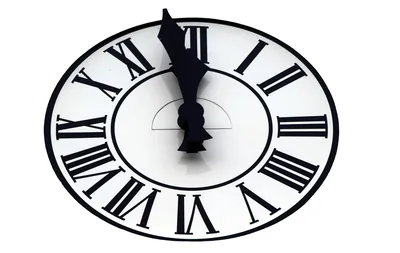
Midnight fireworks, countdowns and radio and TV broadcasts make the night a shared event.
Today
Cities across the world light up one after another as midnight crosses each time zone.
How it is celebrated in different places
Scotland
Hogmanay brings first-footing, when the first guest after midnight brings small gifts for luck.
Spain
People eat twelve grapes, one at each stroke of midnight, for twelve lucky months.
Japan
Temple bells ring 108 times at midnight, and families visit shrines in the first days of January.
India
Families meet, temples and churches hold prayers, and friends share sweets and messages.
Australia
Sydney is one of the first big cities to see midnight, with fireworks over the harbour.
New Year moments
New Year today
Today New Year's Day is a public holiday in most countries. People call family, make resolutions, visit places of worship, and many spend a quiet day at home after a late night.