- Usually August in India
- Shahenshahi calendar
- Jamshedi Navroz falls in March
Where it began
Navroz means new day. Persian tradition links the new year with the legendary King Jamshid. Zoroastrians who settled in India, now known as Parsis, kept the old calendar of their homeland.
The Shahenshahi calendar used by most Parsis has no leap year, so its new year has moved over the centuries and now falls in late summer. The spring Navroz, called Jamshedi Navroz, is also kept on 21 March.
How it grew over time
Ancient Persia
Navroz is kept as the new year in the Persian world.
8th to 10th centuries
Zoroastrians settle in Gujarat, later known as Parsis.
18th century
Different Parsi groups come to follow different calendars.
Today
Parsi families in Mumbai, Gujarat and abroad keep the new year with joy.
How it is celebrated in different places
Mumbai
Fire temples fill with prayers, and families share sali boti, patra ni machhi and falooda.
Gujarat
Udvada and Navsari, old Parsi towns, draw visitors to their fire temples.
Iran and Central Asia
Nowruz in March is a great spring festival with the haft-sin table.
Parsi New Year today
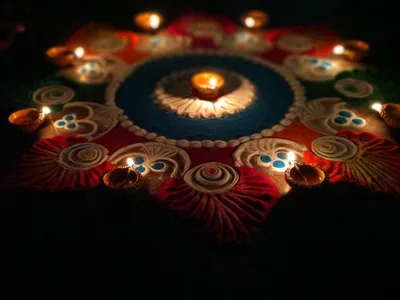
Homes are cleaned and decorated with rangoli and garlands. Families wear new clothes, pray at the fire temple, give to charity and share a big lunch, then greet friends with Navroz Mubarak.