- Nine nights in Ashvin
- Nine forms of Durga
- Garba and dandiya in Gujarat
- Golu dolls in the South
Where it began
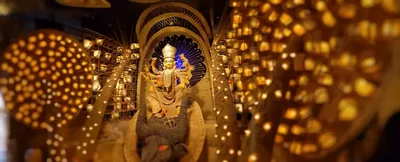
Legend says the goddess Durga fought the demon Mahishasura for nine nights and won on the tenth day. Each night of Navratri honours one of her nine forms, called Navadurga, from Shailaputri to Siddhidatri.
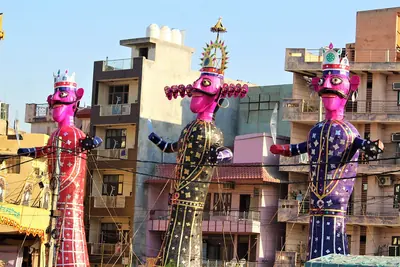
Another story tells that Rama prayed to the goddess for nine days before his battle with Ravana. Hindus keep more than one Navratri a year, but Sharad Navratri in autumn is the most widely celebrated.
Old texts like the Devi Mahatmya, recited in homes and temples during these nights, tell the goddess's victories and are the centre of the worship.
How it grew over time
Ancient times
The Devi Mahatmya praises the goddess, and autumn worship of Shakti grows across India.
Medieval period
Kings hold nine-day festivals of the goddess, with weapons worship on the ninth day.
Folk tradition
Women in Gujarat dance garba around a lamp in a clay pot, the garbo, through the night.
1900s
Garba and dandiya move from village squares to city grounds, and spread with Gujarati families abroad.
Today
Garba nights draw huge crowds, and UNESCO listed Garba of Gujarat as Intangible Cultural Heritage in 2023.
How it is celebrated in different places
Gujarat
Every night people in bright chaniya choli and kediyu dance garba and dandiya in large circles until late.
Tamil Nadu and Karnataka
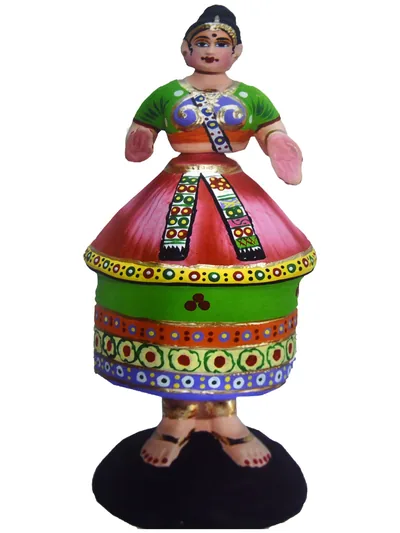
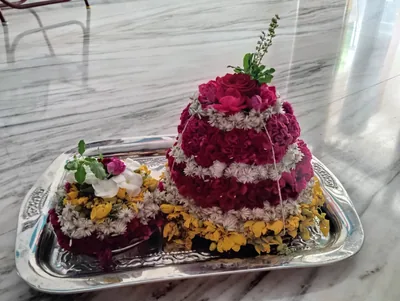
Families set up golu, steps of dolls and figures, and invite friends to sing and share sundal.
West Bengal
The last days are Durga Puja, with pandals, drums and grand idols.
North India
Many keep a nine-day fast, and on the eighth or ninth day young girls are honoured in kanya puja.
UK, US and Canada
Garba nights fill halls and arenas, some of them among the largest Navratri dances outside India.
Navratri moments
Navratri today
People fast or eat light food, pray each morning and evening, wear the colour of the day and gather to dance. The nine nights end in Dussehra, the day of victory.