- 15th day of the 8th lunar month
- September or early October
- Mooncakes and lanterns
- China, Vietnam, Taiwan, Singapore, Malaysia
Where it began
The festival began as a harvest celebration and a time to worship the moon. Ancient Chinese emperors made offerings to the moon in autumn.
Legend says Chang'e drank an elixir and floated up to live on the moon, where she still lives with a jade rabbit. Families look up at the moon and think of her, and of loved ones far away.
How it grew over time
Zhou dynasty
Rulers made offerings to the moon in autumn.
Tang dynasty
Moon watching became a popular custom among poets and the court.
Song dynasty
The fifteenth day of the eighth month became a full festival with food and fun.
Ming and Qing dynasties
Mooncakes became the main festival food and a gift between families.
2008
The festival became a public holiday in mainland China.
Today
It is one of the most loved family festivals across East and Southeast Asia.
How it is celebrated in different places
China
Families eat mooncakes and fruit under the full moon.
Vietnam
Tet Trung Thu is a festival for children, with star lanterns and lion dances.
Hong Kong
Giant lantern shows light up the parks, and a fire dragon dance winds through Tai Hang.
Singapore and Malaysia
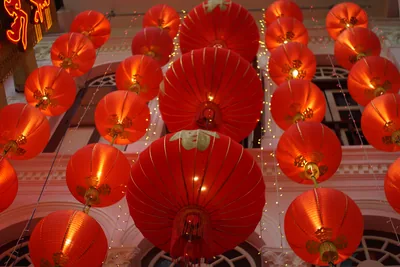
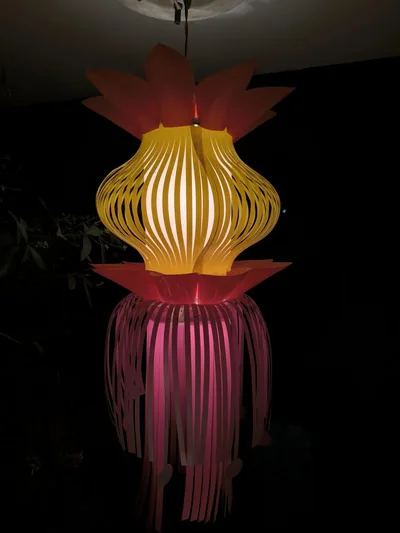
Streets and gardens glow with lanterns of every shape.
Korea
Chuseok, kept on the same day, is a harvest festival of family visits and songpyeon rice cakes.
Mid-Autumn Festival moments
Mid-Autumn Festival today
Families give boxes of mooncakes to friends and relatives, eat dinner together and go outside to look at the moon. Children carry lanterns, and many people send moon wishes to family living far away.