- Third day of Pongal
- Second day of Thai
- Tamil Nadu and Tamils worldwide
Where it began
Maadu means cattle in Tamil. Farmers depend on bulls to plough and on cows for milk, so a day of the harvest festival is set aside to thank them.
Legend says Shiva once sent his bull Basava to earth with a message for people to eat once a month and bathe every day. Basava mixed it up and told them to eat every day. Shiva sent him to help people plough the fields to grow more food, and so bulls work beside farmers.
How it grew over time
Sangam age
Poems speak of a bull-taming sport called eru thazhuvuthal in the pastoral lands.
Later centuries
Mattu Pongal became the third day of the four-day Pongal festival.
Today
Villages honour cattle, and towns in the Madurai region hold Jallikattu events.
How it is celebrated in different places
Madurai region, Tamil Nadu
Alanganallur, Palamedu and Avaniyapuram are known for Jallikattu, the bull embracing sport.
Rural Tamil Nadu
Cattle are bathed in ponds, horns painted in bright colours and garlands of flowers and bells tied on.
Andhra Pradesh and Telangana
Kanuma, the day after Sankranti, honours cattle with baths, paint and a festive meal.
Karnataka
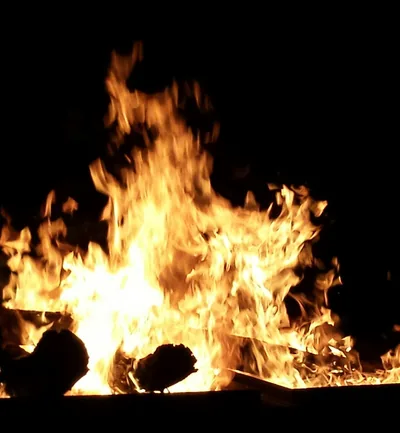
On Sankranti, decorated cattle are led across a small fire in a custom called kichchu haayisuvudu.
Mattu Pongal moments
Mattu Pongal today
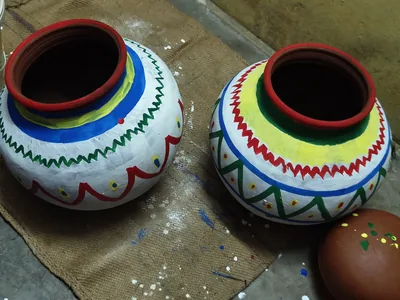
In the morning, farmers wash their cattle, paint their horns and tie new ropes, bells and flower garlands. Pongal is cooked in the cattle shed and fed to them first, and the family prays for their health.
In the evening, cattle are taken around the village with music. In some places, people sprinkle turmeric water and pray for the year.