- Usually 14 or 15 January
- A solar festival
- Pongal, Lohri, Bihu, Uttarayan
- Kites, til and jaggery
Where it began
Sankranti means the passage of the sun from one zodiac sign to the next. Makar Sankranti is the passage into Makara, or Capricorn, and it begins Uttarayana, the sun's journey northward, which is seen as a lucky and holy time.
One story in the Mahabharata tells that Bhishma, lying on a bed of arrows, waited for Uttarayana before leaving his body. Another legend says the sun god Surya visits his son Shani on this day, a sign of making peace in the family.
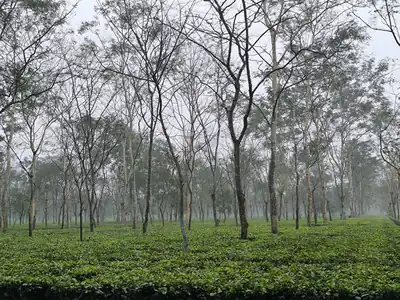
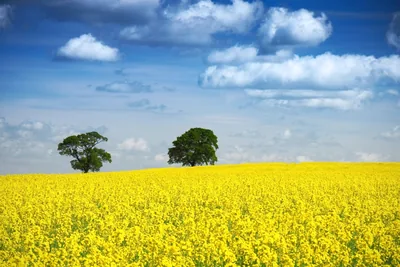
Because it follows the sun, the date stays almost the same in the Western calendar each year. The festival also thanks nature for the winter harvest of sugarcane, rice and sesame.
How it grew over time
Ancient times
Farmers mark the turn of the sun and the winter harvest with thanksgiving, holy dips and charity.
Medieval period
Great bathing fairs grow at river meetings like Prayag and Ganga Sagar on this day.
1800s
Kite flying becomes the signature of Sankranti in Gujarat and Rajasthan, with whole cities on their rooftops.
Today
International kite festivals, the Gangasagar Mela and the Magh Mela at Prayagraj draw huge crowds.
How it is celebrated in different places
Gujarat
Uttarayan fills the sky with kites from dawn to night, with undhiyu and chikki on every terrace.
Tamil Nadu
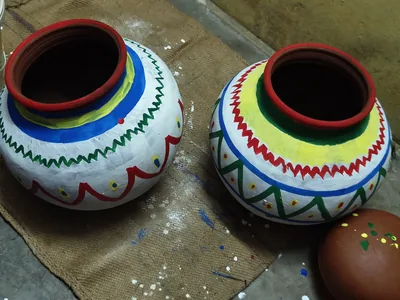
Pongal lasts four days, with rice boiled in new pots until it overflows and cattle honoured on Mattu Pongal.
Punjab
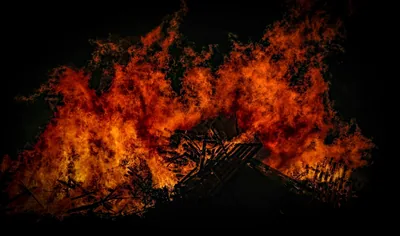
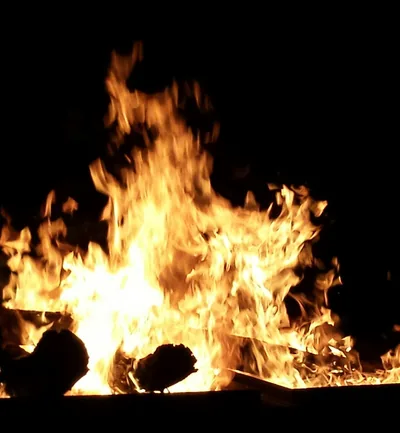
Lohri the night before brings bonfires, folk songs and peanuts, popcorn and rewri thrown into the flames.
Assam
Magh Bihu brings community feasts, bonfire huts called meji and rice cakes called pitha.
Maharashtra and Karnataka
Friends exchange til-gul or ellu-bella with a wish to speak sweetly to each other all year.
Nepal
Maghe Sankranti is a day for holy dips, sesame sweets and yam dishes with family.
Makar Sankranti moments
Makar Sankranti today
People take a morning dip, give food and warm clothes to those in need, fly kites, cook sweets of sesame and jaggery and visit family. Farmers thank the sun, the land and their cattle for the harvest.