- One night, February or March
- Phalguna Krishna Chaturdashi
- Night-long vigil
- Kept across India and Nepal
Where it began
One story tells that this is the night Shiva and Parvati were married. Another says Shiva drank the poison that rose when the ocean was churned, saving the world, and the gods kept him awake through the night with prayer.
Legend also says Shiva appeared as an endless pillar of light on this night, with no beginning or end. A popular folk tale tells of a hunter who spent the night in a bilva tree, dropping leaves on a linga below without knowing, and was blessed for his unplanned worship.
The Puranas describe the night and its vigil, and it is one of the oldest and most widely kept Shaiva festivals.
How it grew over time
Ancient times
The Puranas describe Shivratri and the merit of a night-long vigil and fast.
Medieval period
Great Shiva temples like Somnath, Kashi Vishwanath and Pashupatinath hold grand Shivratri fairs.
1900s
Classical dance festivals begin at Khajuraho and Chidambaram around Shivratri.
Today
Temples stay open all night, and millions join prayers, music and meditation.
How it is celebrated in different places
Varanasi, Uttar Pradesh
Processions of Shiva's wedding party wind through the lanes to Kashi Vishwanath.
Tamil Nadu
Temples like Chidambaram and Thiruvannamalai hold night-long poojas and dance.
Kashmir
Kashmiri Pandits keep Herath, a family festival with special prayers and food.
Nepal
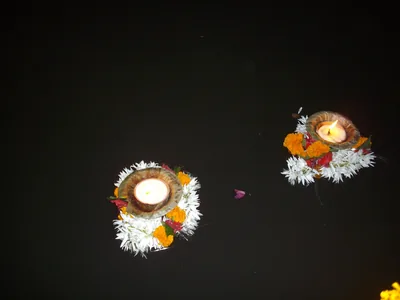
Pilgrims from India and Nepal crowd Pashupatinath in Kathmandu, where sadhus gather and lamps glow all night.
Mauritius
Pilgrims walk to the crater lake Ganga Talao carrying decorated kanwars.
Maha Shivratri moments
Maha Shivratri today
Devotees fast, visit the temple in the four watches of the night, and offer water, milk, honey and bilva leaves. Many stay awake singing bhajans and meditating, and break the fast the next morning.