- First day of the Tibetan year
- Usually February or March
- Main days last three
Where it began
Lo means year and sar means new, so Losar simply means new year. It falls on the first day of the first month of the Tibetan lunar calendar.
The roots of Losar are older than Buddhism in Tibet. Scholars say it grew from a winter incense burning festival of the early Bon tradition. Later it became joined with Buddhist prayers and the farming calendar.
Customs on the eve of the new year help clear away the old year. Families eat guthuk, a noodle soup with dough balls that hide small items, and the item each person finds is read in good fun as a sign for the year ahead.
How it grew over time
Before Buddhism
A winter festival of burning incense is held to please local spirits.
Early centuries CE
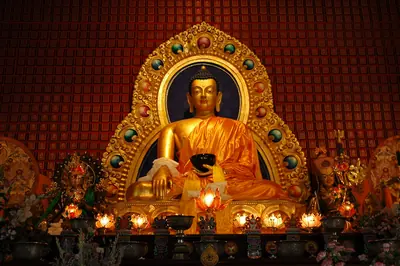
As Buddhism spreads in Tibet, prayers and monastery rites become part of the new year.
Medieval period
The Tibetan lunar calendar is settled, and Losar takes its place on the first day of the first month.
Today
Losar is kept across the Himalayas and by Tibetan communities around the world.
How it is celebrated in different places
Ladakh
Ladakhi Losar is held earlier, in the eleventh Tibetan month, with fire torches and visits to family.
Sikkim and Arunachal Pradesh
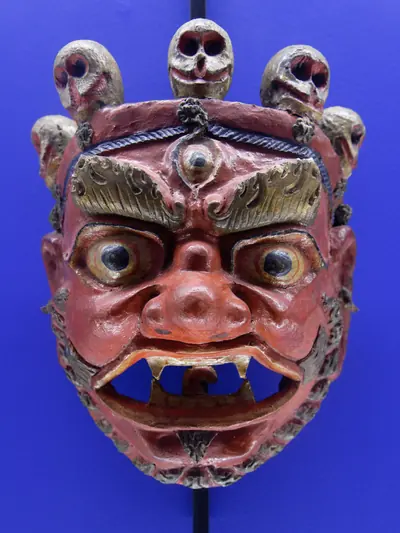
Monasteries hold masked dances, and Monpa and Sherpa families share feasts.
Nepal
Sherpa, Tamang and Gurung communities each keep their own Lhosar with songs and dance.
Tibetan homes worldwide
Families in Dharamshala, Europe and North America gather for prayers and festive meals.
Losar moments
Losar today
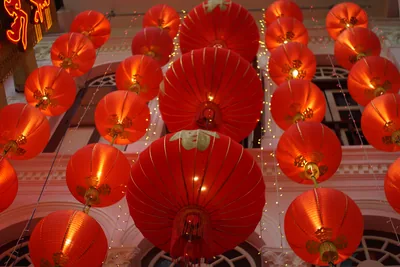
Homes are cleaned and decorated, and tables are set with khapse, fried biscuits, and a decorated grain box called chemar. People visit monasteries, hang new prayer flags, greet each other with Tashi Delek and spend the first days with family and friends.