- Night before Makar Sankranti
- Usually 13 January
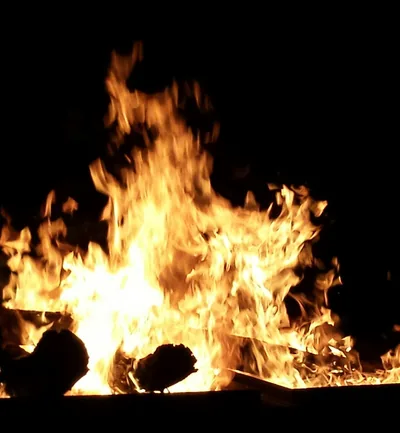
- Bonfire, songs and dance
- Punjab, Haryana, Himachal, Jammu
Where it began
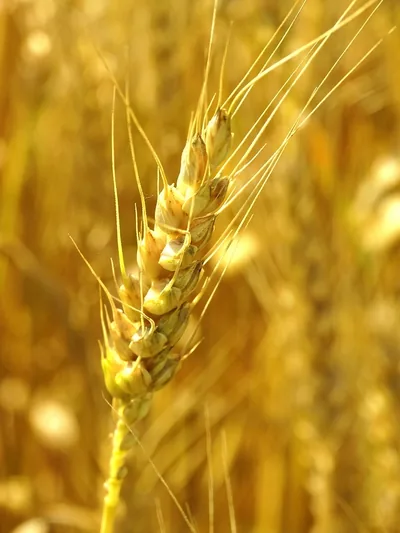
Lohri marks the end of the deepest winter, when days start to grow longer. In Punjab it also comes as the sugarcane is harvested and the wheat sown in autumn grows in the fields, so it is a festival of fire, warmth and hope.
Many Lohri songs remember Dulla Bhatti, a folk hero of Punjab. Legend says he lived in the time of the Mughal emperor Akbar, took from the rich to help the poor and helped young girls get married with dignity. The song Sundar Mundriye tells his story.
There are several ideas about the name. One links it to loh, the iron griddle used for rotis. Another links it to til and rorhi, the sesame and jaggery eaten that night.
How it grew over time
Ancient times
Farming families of the Punjab region light fires at the end of winter to give thanks and bring warmth.
Mughal era
Folk songs about Dulla Bhatti become part of the festival and are still sung today.
1900s
Children going door to door singing Lohri songs and collecting treats becomes a well loved custom.
Recent decades
Families start to celebrate the first Lohri of a new daughter as warmly as that of a son.
Today
Lohri is kept in homes, colonies and farms across north India and in Punjabi homes abroad.
How it is celebrated in different places
Punjab
Village bonfires bring the whole community together, with bhangra and gidda round the flames.
Haryana and Delhi
Housing colonies light shared bonfires and families bring rewri, gajak and peanuts.
Jammu and Himachal Pradesh
In Jammu, the chajja dance with decorated peacock shapes is part of the festival.
Canada and the UK
Punjabi families hold Lohri nights with indoor fires, music and food at community halls and homes.
Lohri moments
Lohri today
As evening falls, families light a bonfire and walk around it, offering sesame, jaggery, popcorn and peanuts to the fire. Elders sing folk songs and young people dance to the dhol.
The first Lohri of a newborn baby or a newly married couple is a big celebration, with relatives, gifts and a feast of sarson da saag and makki di roti.