- Ashwin full moon
- October
- Five days after Dashami
- Bengal, Assam, Tripura, Odisha
Where it began
Kojagari comes from the question ko jagarti, which means who is awake. Legend says Lakshmi walks the earth on this full moon night and blesses the homes where people stay awake.
Lakshmi is the goddess of wealth, plenty and good fortune. In Bengal she is worshipped in each home soon after the Goddess Durga returns to her husband.
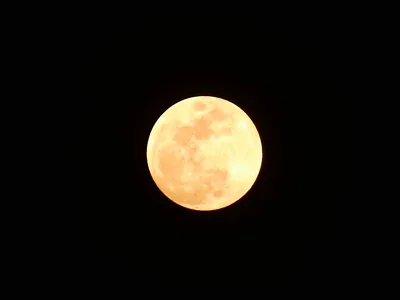
The night is the same as Sharad Purnima, the brightest full moon of the year, kept in many parts of India.
How it grew over time
Ancient times
Lakshmi is praised in the Vedas and Puranas as the goddess of fortune.
Medieval period
Home worship of Lakshmi on the Ashwin full moon becomes part of Bengal's year.
Modern times
Clay images, painted pots and alpana designs become the heart of the home puja.
Today
Families and community clubs keep the puja, and Bengali families abroad hold it too.
How it is celebrated in different places
West Bengal
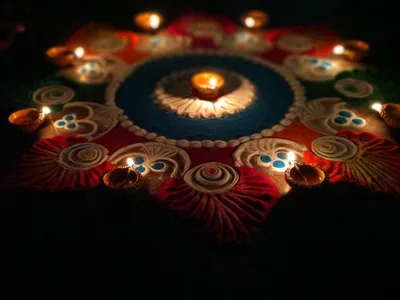
Homes draw white alpana with little footprints of Lakshmi leading in, and offer khichuri, sweets and fruit.
Assam and Tripura
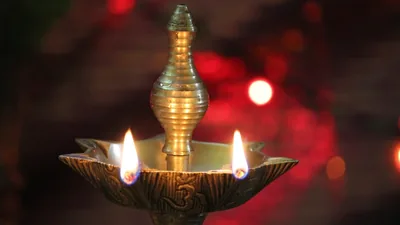
Families light lamps and worship the goddess for a good harvest and a happy home.
Odisha
The full moon is also Kumar Purnima, when young girls pray and play games under the moon.
Bengali communities abroad
Families in the UK, US and beyond hold the puja together.
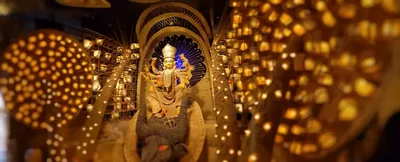
Kojagari Lakshmi Puja moments
Kojagari Lakshmi Puja today
Families clean the home, draw alpana, set up an image or a painted pot, and offer coconut sweets and puffed rice treats. Many stay up late under the moon, talking and singing.