- Bhadrapada Shukla Ekadashi
- August or September
- Jharkhand, Chhattisgarh, Odisha, Bengal, Assam
Where it began
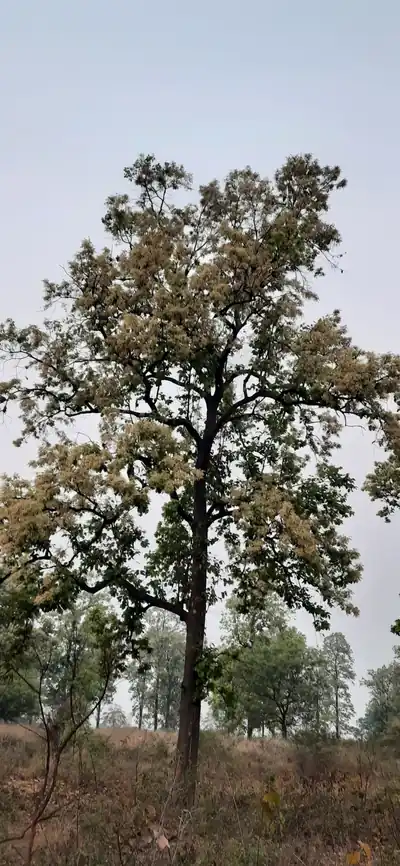
The festival centres on the Karam tree, which people see as a giver of strength, wealth and good fortune. A branch of the tree is brought from the forest and planted in the village dance ground, the akhra, where it is worshipped.
One story tells of two brothers, Karma and Dharma. Karma forgot to honour Karam Devta and his luck turned bad. Only after he went in search of the deity and made amends did good fortune return. The tale is sung during the night of the puja.
Before the festival, young women sow seeds in small baskets and tend them for several days. These green shoots, called jawa, are offered at the puja as a sign of growth and fertility.
How it grew over time
Ancient times
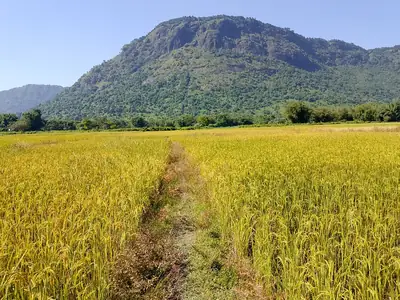
Farming communities of the Chota Nagpur plateau honour the Karam tree before the harvest.
Through the centuries
Oraon, Munda, Santal, Kurmi and many other communities keep the festival with their own songs.
Tea garden era
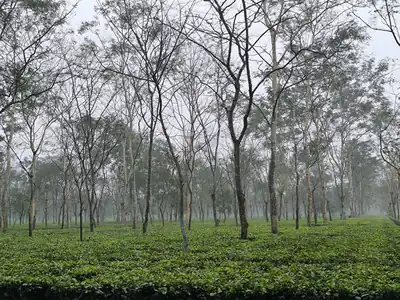
Workers who moved to the tea gardens of Assam and Bengal carry Karma Puja with them.
Today
It is a state holiday in Jharkhand and is kept in towns and villages across eastern India.
How it is celebrated in different places
Jharkhand
Villages dance the Karma dance through the night around the Karam branch in the akhra.
Chhattisgarh and Odisha
Communities sing Karma songs and share a feast after the puja.
Assam tea gardens
Tea garden communities keep the festival with drums, dance and the story of Karma and Dharma.
Karma Puja today
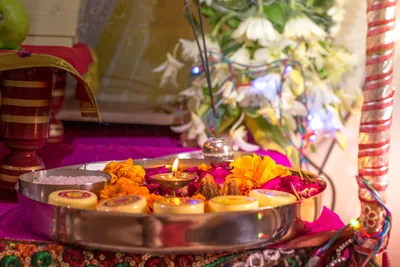
Sisters fast for the well being of their brothers, and the whole village joins the night of songs and dancing. In the morning the Karam branch is carried in procession and laid in a river or pond, and families share rice beer, sweets and festive food.