- Phalguna Purnima
- February or March
- Night before Holi
- Bonfires in every street
Where it began
Dahan means burning. Legend says the proud king Hiranyakashipu wanted everyone to worship him, but his son Prahlad prayed only to Lord Vishnu.
One story tells that the king's sister Holika had a cloak that kept her safe from fire. She sat in a fire with Prahlad on her lap, but the cloak flew to Prahlad and Holika was burnt, while the boy came out safe.
The bonfire recalls this story of faith. It also marks the end of winter and the coming of the spring harvest.
How it grew over time
Ancient times
The story of Prahlad and Holika is told in the Puranas.
Medieval period
Holi grows into a great spring festival, and bonfires on the full moon night are recorded in many regions.
Modern times
Streets and housing societies build one shared fire, and families gather to pray.
Today
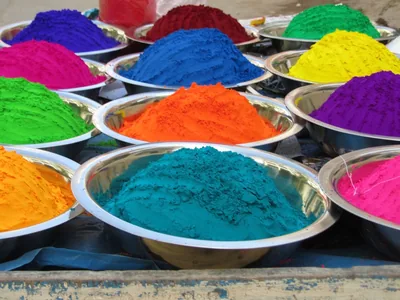
Bonfires light up towns and villages across India and Nepal, and the next morning brings Holi colours.
How it is celebrated in different places
Mathura and Vrindavan
The Braj region holds some of the most loved bonfires, and Holi is kept for many days.
Uttar Pradesh and Bihar
Families roast new wheat and gram in the fire and share them as a blessing.
Maharashtra and Goa
The bonfire is called Holi or Shimga, and families offer puran poli to the fire.
Indian communities abroad
Temples in the UK, US and the Caribbean light a fire and hold prayers before the day of colours.
Holika Dahan moments
Holika Dahan today
Families tie a thread around the pile, offer coconut, grains and flowers, and walk around the fire. People share sweets and get ready for the colours of the next day.