- Shravana Shukla Tritiya
- July or August
- Green clothes and swings
- Rajasthan, Haryana, UP
Where it began
Hariyali means greenery and Teej comes from tritiya, the third day of the moon. It falls in the rainy month of Shravana, when the land turns fresh and green.
Legend says Parvati prayed and fasted for many years to win Shiva as her husband. On this day he accepted her, and so women keep the day to ask for her blessing.
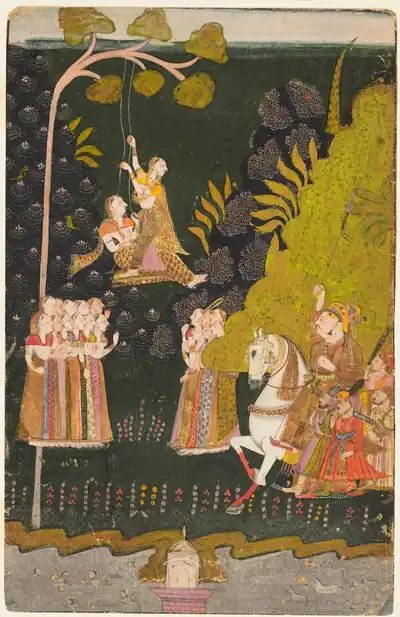
The festival is also a joy of the rains. Swings hang from trees, and women sing old folk songs about the season and about going home to their parents.
How it grew over time
Ancient times
Prayers to Parvati and songs of the monsoon become part of rural life in north India.
Medieval period
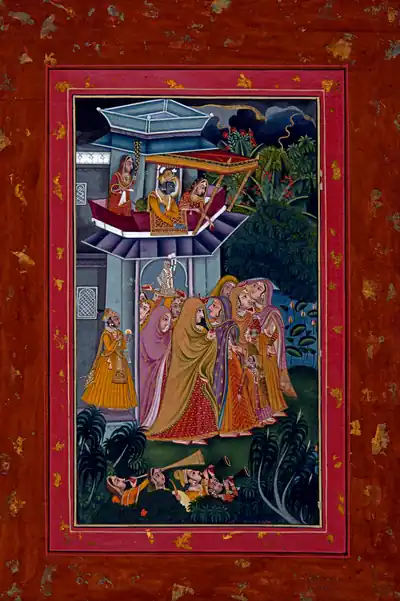
Royal courts of Rajasthan hold Teej processions, and paintings show women on swings in the rain.
Modern times
Jaipur's Teej procession becomes a well known sight, with the goddess carried through the old city.
Today
Teej fairs, swings and songs are held in towns and villages, and many cities host Teej melas.
How it is celebrated in different places
Jaipur, Rajasthan
A decorated palanquin of Teej Mata is carried through the pink city with camels, horses and music.
Haryana
Women and girls swing high on trees, and the state marks the day with fairs.
Uttar Pradesh and Bihar
Married women visit their parents and receive sweets and gifts called sindhara.
Nepal
Teej is a big day for women, with red clothes, dancing and prayer at Shiva temples.
Hariyali Teej moments
Hariyali Teej today
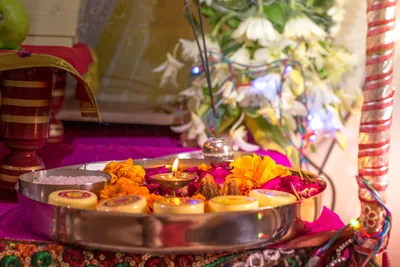
Women dress in green and red, wear bangles and mehndi, eat ghewar and other sweets, and sing on swings with friends. Many keep a fast and pray for their family.