- Ashadha Purnima, in June or July
- Also called Vyasa Purnima
- Hindu, Buddhist and Jain
- A day to thank teachers
Where it began
The word guru is often explained as one who removes darkness. Hindus call the day Vyasa Purnima, as legend says the sage Vyasa, who arranged the Vedas and told the Mahabharata, was born on this full moon.
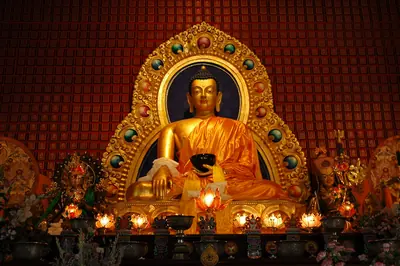
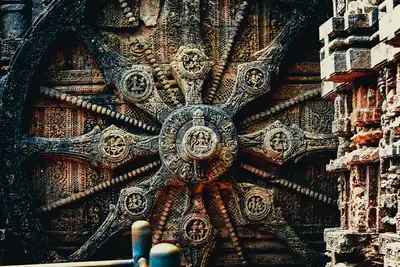
For Buddhists, it is the day the Buddha gave his first sermon at Sarnath to his five companions, setting the wheel of teaching in motion. Jains remember Mahavira taking his first disciple, Gautama Swami.
In yoga traditions, one story tells that Shiva became the Adiguru, the first teacher, on this full moon, sharing yoga with seven sages.
How it grew over time
Ancient times
Students honour their teachers at the start of the monsoon, when wandering monks stop travelling for the rainy season.
Buddha's time
The first sermon at Sarnath makes the full moon of Ashadha a holy day for Buddhists.
Medieval period
Bhakti and Sikh traditions place great love on the guru, and disciples gather at ashrams on this day.
Today
Schools, music and dance classes and spiritual groups hold guru vandana, and students message their old teachers.
How it is celebrated in different places
Maharashtra and Karnataka
Disciples gather at ashrams and maths, and musicians honour their gurus with performances.
Uttar Pradesh
Pilgrims visit Sarnath and Varanasi, and many bathe in the Ganga.
Nepal
Schools hold a teachers' day, with students offering flowers and garlands.
Sri Lanka, Thailand and Myanmar
Buddhists mark Esala or Asalha Puja, remembering the first sermon at temples.
Guru Purnima moments
Guru Purnima today
People visit their guru or teacher, touch their feet or give a gift, and spend time in prayer or study. Many simply call a teacher who changed their life to say thank you.