TodayTools

About Gudi Padwa

00 days

About Gudi Padwa

Gudi Padwa is the new year of Maharashtra and Goa, on the first day of the bright half of Chaitra, in March or April. It is the same day as Ugadi in Andhra Pradesh, Telangana and Karnataka.

The gudi is a bamboo pole topped with a bright silk cloth, neem and mango leaves, a garland of sugar crystals called gathi, and an upturned copper or silver pot. It is raised at the window or door as a sign of victory and good luck. Many link it to Lord Rama's return to Ayodhya and to the start of the Shalivahan Shaka year.

Families draw rangoli, decorate doors with mango leaves and eat a little bitter neem with jaggery, a reminder that life brings both. Puran poli and shrikhand puri are favourite dishes, and towns hold colourful shobha yatra processions.

It is celebrated across Maharashtra and Goa, and by Marathi and Konkani families in other states and abroad.

  • Chaitra Shukla Pratipada
  • March or April
  • Marathi and Konkani new year
  • Maharashtra and Goa

Where it began

Padwa comes from the Sanskrit word pratipada, the first day of the lunar fortnight. The gudi is a bamboo staff dressed in a bright cloth, with neem leaves, mango leaves, a garland of flowers and sugar crystals, and a silver or copper pot turned upside down on top.

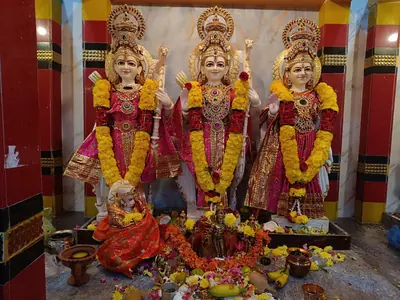
Several stories are told about the day. One says Lord Brahma created the world on this day. Another tells that it marks the return of Lord Rama to Ayodhya. Many also link it to the victory of the king Shalivahana, and the Shaka calendar is counted from his time.

The same day is kept as Ugadi in Karnataka, Andhra Pradesh and Telangana, as Cheti Chand by Sindhis and as Navreh in Kashmir, so many parts of India begin their year together.

A gudi raised high above a home on new year morningMaharashtra

How it grew over time

  1. Ancient times

    The first day of Chaitra is honoured as the start of the year in many Hindu calendars.

  2. Shalivahana era

    The Shaka calendar, linked by tradition to king Shalivahana, begins its count of years.

  3. Maratha period

    Raising the gudi becomes a common custom in Maharashtra homes as a sign of victory and good luck.

  4. Late 1990s

    Towns near Mumbai such as Dombivli and Thane start large new year processions, called shobha yatras.

  5. Today

    Processions with dhol tasha groups, bikes and women in nauvari saris are a big part of the day.

How it is celebrated in different places

  • Mumbai and Thane

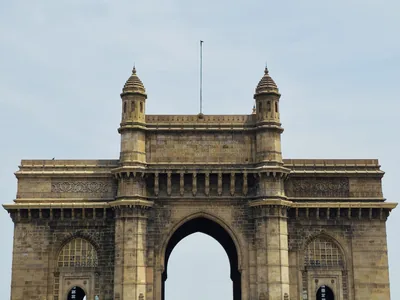
    Girgaon, Dadar, Thane and Dombivli hold grand shobha yatras with music, rangoli and traditional dress.

  • Pune

    Dhol tasha troupes play in the streets, and families visit temples after raising the gudi.

  • Goa

    Konkani families keep the day as Sanvsar Padvo with prayers and the reading of the new year almanac.

  • Karnataka, Andhra Pradesh and Telangana

    The same new year is Ugadi, with the six taste pachadi and new year readings.

Gudi Padwa moments

Shrikhand, a favourite sweet for the new year lunch
An old photograph of a woman worshipping the gudi on new year day

Gudi Padwa today

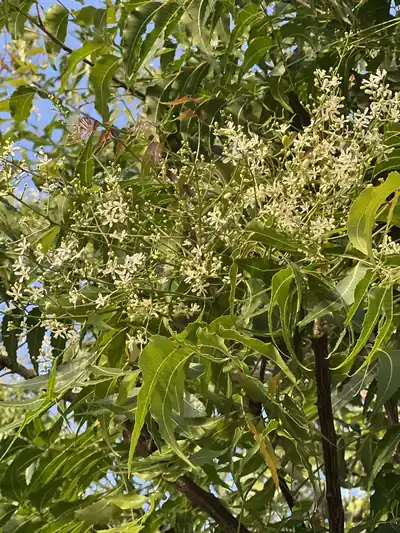
Families clean the house, draw rangoli at the door and raise the gudi from a window or balcony in the morning. A bitter sweet mix of neem leaves and jaggery is eaten to accept both the bitter and sweet parts of life.

Lunch often has shrikhand puri or puran poli. It is seen as a good day to start new work, buy gold, a vehicle or a new home.
How people celebrate Gudi Padwa

  • Raising the gudi at the window or door
  • Rangoli and mango leaf torans
  • Eating neem leaves with jaggery
  • Puran poli and shrikhand puri
  • Shobha yatra processions in traditional dress
  • Starting new ventures and buying gold or a vehicle

How to wish well

  • Send wishes in the morning, when families raise the gudi.
  • "Gudhi Padvyachya hardik shubhechha" is the warm Marathi greeting.
  • Friends from the south celebrate Ugadi on the same day, so a new year wish fits them too.
  • Businesses often thank customers and announce a good start to the year on this day.

Questions about Gudi Padwa

When is Gudi Padwa 2027?

Gudi Padwa in 2027 is on 7 April.

Why is Gudi Padwa celebrated?

It is the Marathi new year on Chaitra shukla pratipada. The gudi is raised as a flag of victory, welcome and good luck for the year ahead.

What is a gudi made of?

A bamboo pole with a silk cloth tied at the top, neem and mango leaves, a sugar crystal garland and an upturned copper or silver pot.

What do you say on Gudi Padwa?

Say "Happy Gudi Padwa" or in Marathi "Gudhi Padvyachya hardik shubhechha".

Are Gudi Padwa and Ugadi the same day?

Yes. Both mark the lunar new year on the first day of Chaitra. Gudi Padwa is the Marathi and Konkani name; Ugadi is the Telugu and Kannada one.

Why do people eat neem on Gudi Padwa?

Neem with jaggery stands for accepting both the bitter and the sweet in the year ahead, and neem is good for health at the start of summer.

Keep exploring

Related

Coming up next

    All festival wishes

    Donate