- Margashirsha Shukla Ekadashi
- November or December
- 700 verses, 18 chapters
- Kurukshetra, Haryana
Where it began
Jayanti means birth day. The Bhagavad Gita, the song of the Lord, is a dialogue of 700 verses found in the Mahabharata.
Legend says that before the great battle, Arjuna lost heart at the thought of fighting his own family. Krishna, his charioteer, spoke to him about duty, courage, devotion and the self, and Arjuna found his strength again.
The day falls on Mokshada Ekadashi, an ekadashi already held holy, and many people fast and pray on it.
How it grew over time
Ancient times
The Gita takes its place within the Mahabharata and becomes one of the most loved texts of Hindu thought.
Medieval period
Great teachers such as Shankara, Ramanuja and Madhva write commentaries, and Jnaneshwar retells it in Marathi.
19th and 20th centuries
The Gita is translated into many languages and is read by thinkers around the world.
Today
Kurukshetra hosts a large Gita festival each year, and temples and homes hold group readings of all 18 chapters.
How it is celebrated in different places
Kurukshetra, Haryana
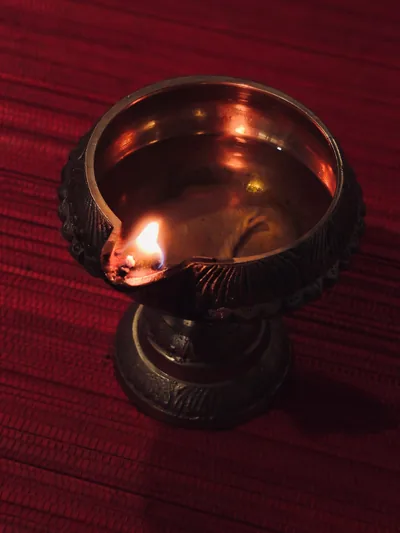
The holy tanks are lit with lamps, and the festival brings readings, aarti, crafts and cultural shows.
Temples across India
Devotees chant the full Gita in groups, and talks explain its message in simple words.
Indian communities abroad
Temples and study groups hold readings and quiz events for young people.
Gita Jayanti moments
Gita Jayanti today
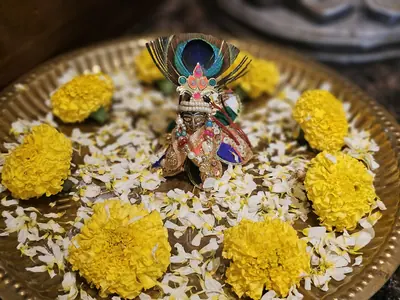
Families read a chapter together, offer flowers to the book, and share the lesson of doing one's duty with a calm and kind heart.