- Jyeshtha Shukla Dashami
- May or June
- Ten days of prayer
- Haridwar, Varanasi, Prayagraj
Where it began
Dussehra here comes from dasha, meaning ten. It falls on the tenth day of the bright half of Jyeshtha, and the bath is said to wash away ten kinds of wrongs.
Legend says King Bhagiratha prayed for many years to bring Ganga to earth so that the souls of his ancestors could find peace. Lord Shiva caught the mighty river in his matted hair so that her fall would not harm the world.
This is why the Ganga is also called Bhagirathi, and why the river is worshipped as a mother across north India.
How it grew over time
Ancient times
The story of Ganga's descent is told in the Ramayana and the Puranas.
Medieval period
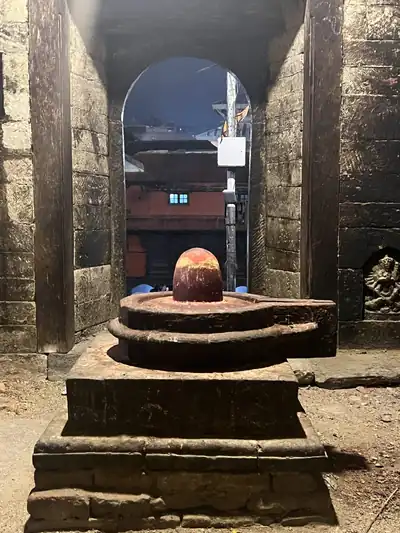
Ghats and temples along the river grow in Haridwar, Varanasi and Prayagraj, and pilgrims come for the holy bath.
Modern times
Evening Ganga aarti with large brass lamps becomes a daily sight on the ghats, and is grandest on festival days.
Today
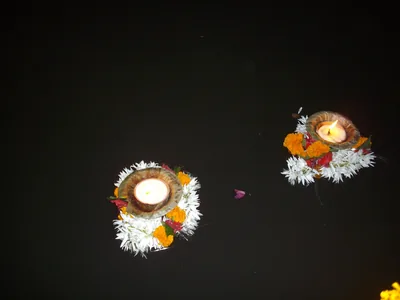
Large crowds bathe at sunrise, float leaf boats with lamps and flowers, and join the evening aarti.
How it is celebrated in different places
Haridwar and Rishikesh
Pilgrims bathe at Har Ki Pauri, and the evening aarti lights up the fast flowing river.
Varanasi
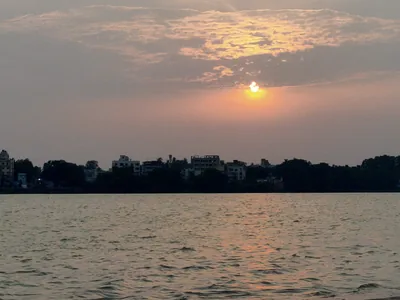
The ghats fill with bathers at dawn, and priests perform a grand aarti at Dashashwamedh Ghat.
Prayagraj
Devotees bathe at the Sangam, where the Ganga meets the Yamuna.
Bihar and Bengal
Families bathe in the river and offer flowers, sweets and lamps along its banks.
Ganga Dussehra moments
Ganga Dussehra today
People bathe early, give food and water to those in need, and offer ten kinds of items in many homes. In the evening, small lamps float down the river as bells ring on the ghats.