TodayTools

About Diwali

00 days

About Diwali

Diwali, also called Deepavali, is the festival of lights. It falls on the new moon night of the month of Kartik, usually in October or November, and the celebrations run for about five days.

Many families remember the return of Lord Rama to Ayodhya, and in the south the victory of Lord Krishna over Narakasura. Goddess Lakshmi is worshipped for wealth and good fortune. Sikhs mark Bandi Chhor Divas and Jains remember the nirvana of Lord Mahavira on the same days.

Homes are cleaned and lit with clay lamps, rangoli is drawn at the door, families wear new clothes, share sweets with neighbours and light crackers. Shops and businesses open new account books.

Diwali is celebrated across India and Nepal, and by Indian communities in Sri Lanka, Malaysia, Singapore, Mauritius, Fiji, the Caribbean, the UK, the US, Canada, Australia and the Gulf.

  • Usually five days
  • Kartik Amavasya, the new moon
  • Kept across India and the world
  • Hindu, Sikh, Jain and Buddhist meanings

Where it began

The name comes from the Sanskrit deepavali, a row of lamps. The festival falls on the new moon night of Kartik, the darkest night of the month, which is why lamps matter so much.

Legend says the people of Ayodhya lit rows of lamps to welcome Rama home with Sita and Lakshmana after fourteen years in exile and his win over Ravana. In many parts of the south, Diwali remembers Krishna's victory over the demon Narakasura. Many families honour Lakshmi, the goddess of wealth, who is said to visit clean, bright homes on this night.

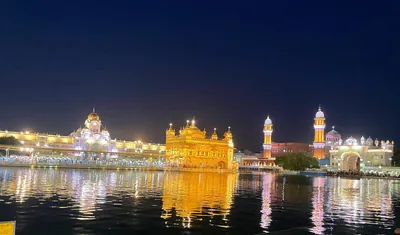
Other faiths hold the night dear too. Jains mark the nirvana of Mahavira. Sikhs celebrate Bandi Chhor Divas, the release of Guru Hargobind from prison, with lights at the Golden Temple. Old Sanskrit texts describe a lamp festival in autumn, and travellers to India over many centuries wrote about towns lit with lamps.

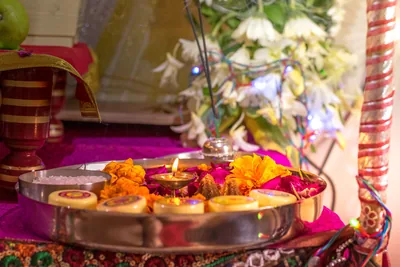
Brass lamps and marigolds ready for the Lakshmi puja

How it grew over time

  1. Ancient times

    Sanskrit texts describe autumn festivals of lamps after the harvest, linked with Lakshmi and with the stories of Rama and Krishna.

  2. Medieval period

    Kings and merchants light palaces and markets, and traders begin their new account books on Diwali, a custom many business families still keep.

  3. 1600s

    The release of Guru Hargobind gives Sikhs Bandi Chhor Divas, celebrated with lamps and fireworks at Amritsar.

  4. 1900s

    Fireworks, electric lights and greeting cards spread, and Diwali travels with Indian families to Britain, the Caribbean, Africa and Southeast Asia.

  5. Today

    Diwali is a public holiday in many countries, and cities from Leicester to Singapore light up their streets for it.

How it is celebrated in different places

  • North India

    Diwali remembers Rama's return. Ayodhya lights lakhs of lamps on the banks of the Sarayu, and families do Lakshmi puja at dusk.

  • Tamil Nadu and the South

    The day starts before dawn with an oil bath and new clothes, remembering Krishna's win over Narakasura, followed by crackers and sweets.

  • Gujarat and Maharashtra

    Diwali brings the new year for many families, with rangoli at the door, new account books and visits to friends.

  • Nepal

    Tihar lasts five days and honours crows, dogs, cows and brothers, with lamps and deusi bhailo songs going door to door.

  • UK, US and Canada

    Leicester hosts one of the largest Diwali light shows outside India, and cities across North America hold Diwali fairs and fireworks.

  • Singapore and Malaysia

    Little India glows with street lights for weeks, and Deepavali is a public holiday with open houses for friends of every faith.

Diwali moments

Fireworks on Diwali night, as painted at a royal court long ago
Rows of lights, the meaning of the word Deepavali
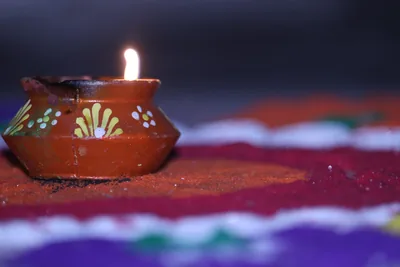
A clay diya at the doorstep to welcome Lakshmi
A thali of diyas arranged like a flower
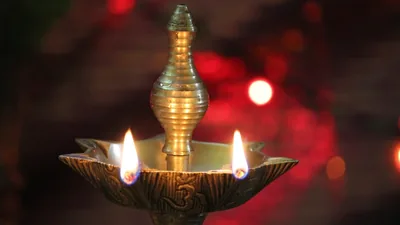
A traditional brass lamp lit for the evening prayer

Diwali today

Families clean and decorate their homes, draw rangoli, buy new clothes and gold, and light diyas on every step and window. Sweets go to neighbours, friends and colleagues, and the evening puja is followed by lamps, sparklers and family meals.

Many families now choose quieter, greener celebrations, with more lamps and fewer crackers, while the warmth of sharing stays the same.
How people celebrate Diwali

  • Lighting clay diyas and lamps
  • Drawing rangoli at the door
  • Lakshmi Puja in the evening
  • New clothes and an oil bath at dawn in the south
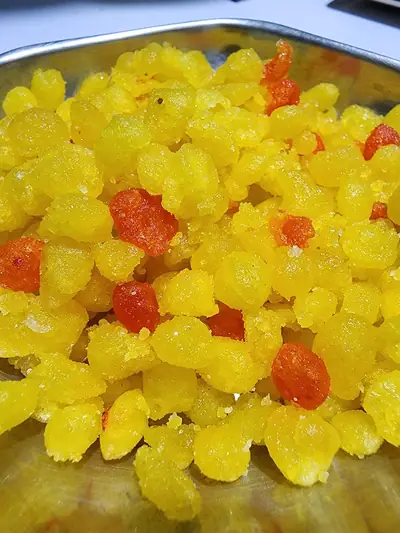
  • Sweets and dry fruit boxes for neighbours
  • Crackers and sparklers with the family
  • New account books for shops

How to wish well

  • Send wishes on the main day or the evening before. Many people also greet on Dhanteras and Bhai Dooj.
  • In Tamil Nadu and much of the south, Deepavali is celebrated on Naraka Chaturdashi morning, so greet them early in the day.
  • For customers and colleagues, keep it short and warm, and thank them for the year.
  • Diwali is also a time of new beginnings, so a wish for a bright new year fits well.
  • Not everyone lights crackers; a wish about lamps, sweets and family suits everyone.

Questions about Diwali

When is Diwali 2026?

The main day of Diwali, Lakshmi Puja, is on 8 November 2026. The five days run from Dhanteras to Bhai Dooj.

When is Diwali 2027?

Diwali in 2027 falls on 29 October, with Dhanteras two days before.

What do you say on Diwali?

Say "Happy Diwali" or "Shubh Deepavali". In Hindi people say "Deepavali ki hardik shubhkamnayein", and in Tamil "Iniya Deepavali Nalvazhthukal".

Is Diwali and Deepavali the same?

Yes. Deepavali is the older name and means a row of lamps. Diwali is the shorter form used in the north.

How many days is Diwali?

Diwali is usually five days: Dhanteras, Naraka Chaturdashi (Choti Diwali), Lakshmi Puja, Govardhan Puja and Bhai Dooj.

Why is Diwali celebrated?

It celebrates the victory of light over darkness. Many remember Lord Rama coming home to Ayodhya, Lord Krishna's win over Narakasura, and pray to Goddess Lakshmi.

Who celebrates Diwali?

Hindus, Sikhs and Jains celebrate it, and many friends of other faiths join in the lights and sweets.

Keep exploring

Related

Coming up next

    All festival wishes

    Donate