- 1 and 2 November
- Altars called ofrendas
- Marigolds and sugar skulls
- UNESCO intangible heritage since 2008
Where it began
The holiday joins old customs of the peoples of Mexico with the Christian days of All Saints and All Souls. Long before the Spanish arrived, the Aztec and other peoples held festivals to honour the dead.
Families believe the spirits of loved ones come back for a short visit. They build altars with photos, candles, flowers, food and drink to welcome them home. Bright orange marigolds are thought to guide the spirits with their colour and scent.
How it grew over time
Before the 1500s
Peoples of central Mexico held festivals for the dead and for a goddess linked to the underworld.
Colonial period
The customs joined with the church days of All Saints and All Souls in early November.
Early 1900s
Artist Jose Guadalupe Posada drew La Catrina, an elegant skeleton lady who became a famous symbol.
2008
UNESCO listed the indigenous festivity dedicated to the dead as intangible cultural heritage.
Today
Parades with painted faces and costumes are held in Mexico City and many other places.
How it is celebrated in different places
Oaxaca, Mexico
Families decorate graves with flowers and candles and keep watch through the night.
Lake Patzcuaro, Michoacan
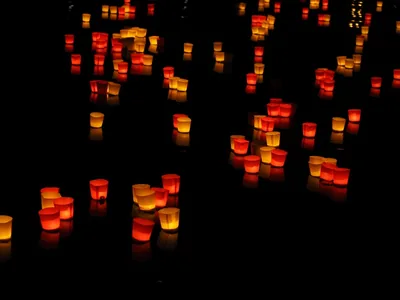
Candle lit boats and graveside vigils make one of the best known celebrations.
Mexico City
A large parade fills the streets with giant skeletons and painted faces.
United States
Mexican American communities build public altars and hold street festivals.
Guatemala
People fly huge, bright kites over cemeteries to connect with the dead.
Day of the Dead moments
Day of the Dead today
Families clean and decorate graves, build ofrendas at home and share pan de muerto, a sweet bread. Many paint their faces like skulls, give sugar skulls with names on them and tell happy stories about those they miss.