- 15 days in September or October
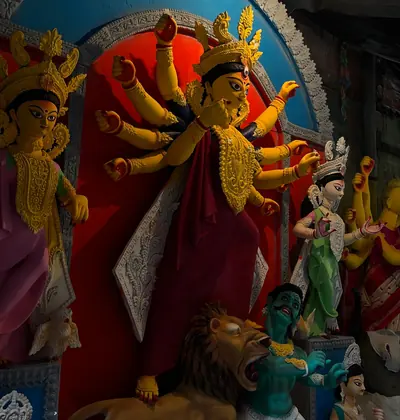
- Honours the goddess Durga
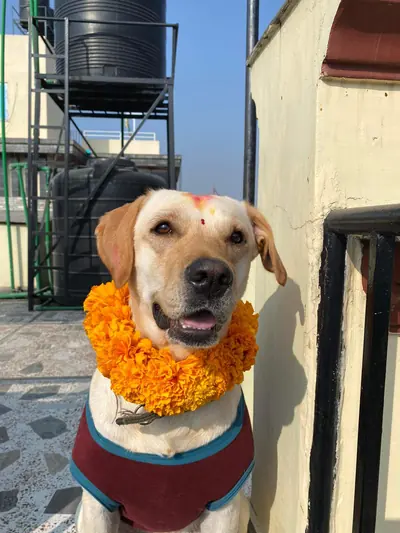
- Tika and jamara blessings
- Nepal, Darjeeling, Sikkim, Bhutan
Where it began
Dashain is the Nepali name for the festival known in India as Vijaya Dashami or Navaratri. It falls in the bright half of the lunar month of Ashwin.
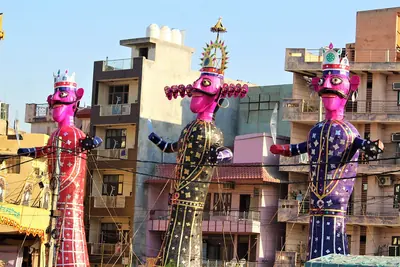
Legend says the goddess Durga fought the buffalo demon Mahishasura for many days and won on the tenth day. The festival celebrates this victory of good over evil. Some also link the tenth day to the victory of Lord Rama over Ravana.
How it grew over time
Ancient times
Autumn worship of the goddess was kept across the Himalayan foothills at harvest time.
Medieval period
Kings of the Kathmandu valley kept grand Dashain rites at their palaces.
Modern Nepal
Dashain became the main national holiday, with long school and office breaks.
Today
Many Nepalis who work abroad come home, and others keep it in their new countries.
How it is celebrated in different places
Kathmandu
Families visit elders for tika and jamara, and the old palace square hosts special rites.
Villages of Nepal
Tall bamboo swings called ping are built and children fly kites in the clear sky.
Darjeeling and Sikkim
Nepali speaking families keep Dashain with the same blessings and feasts.
Nepali diaspora
Communities in the UK, US, Australia and the Gulf gather to share tika and meals.
Dashain today
On the first day, barley seeds are sown to grow jamara, the sacred yellow shoots. On the tenth day, elders place red tika on the foreheads of younger family members and give jamara and blessings. Families visit relatives for days, share meals and fly kites.