- Full moon of Vaisakha
- Also called Vesak or Buddha Jayanti
- Kept across Asia and beyond
Where it began
Siddhartha Gautama was born at Lumbini, now in Nepal. Buddhist tradition holds that he gained enlightenment under the Bodhi tree at Bodh Gaya, and that his birth, enlightenment and passing all fell on the full moon of Vaisakha.
Vesak comes from the name of the month in Pali and Sanskrit. In 1950 the World Fellowship of Buddhists agreed to keep the day as the Buddha's birthday across countries.
How it grew over time
Ancient times
Followers honour the places of the Buddha's life, such as Lumbini, Bodh Gaya, Sarnath and Kushinagar.
3rd century BCE
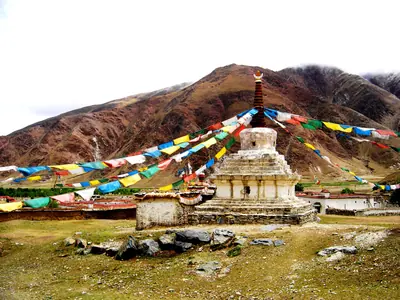
Emperor Ashoka builds stupas and pillars that mark these places.
1950
The World Fellowship of Buddhists agrees on the shared day of Vesak.
1999
The United Nations recognises the Day of Vesak.
Today
It is a public holiday in India and many Asian countries.
How it is celebrated in different places
Bodh Gaya, Bihar
Monks and pilgrims gather at the Mahabodhi Temple to pray under the Bodhi tree.
Sri Lanka
Streets glow with paper lanterns and food stalls give free meals called dansal.
Nepal
Pilgrims visit Lumbini and the stupas of Kathmandu.
Southeast Asia
People walk around temples by candlelight and offer flowers.
Buddha Purnima moments
Buddha Purnima today
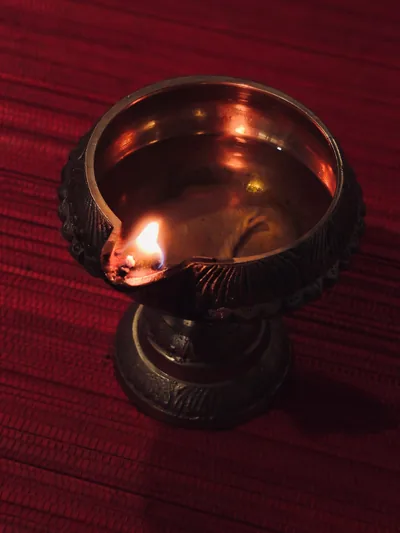
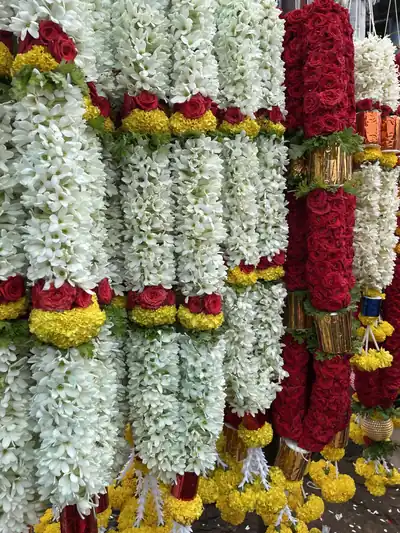
People visit temples, offer flowers and lamps, listen to teachings and keep the five precepts with care. Many free birds, feed the poor and share food, in the spirit of the Buddha's teaching of kindness.