- Kartik Shukla Dwitiya
- Two days after Diwali
- Bhau Beej, Bhai Phonta, Bhai Tika
- India and Nepal
Where it began
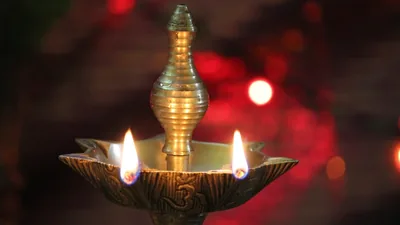
Legend says Yama, the god of death, visited his sister Yamuna on this day after a long time apart. She welcomed him with a tilak, aarti and a feast, and he was so happy that he blessed every brother who visits his sister on this day with a long life. So the day is also called Yama Dwitiya.
Another story tells that Krishna, after defeating the demon Narakasura, visited his sister Subhadra, who welcomed him with sweets, flowers and a tilak.
How it grew over time
Ancient times
Yama Dwitiya is kept as the second day of the bright half of Kartik, with prayers to Yama and Yamuna.
Medieval period
Bhai Dooj becomes the closing day of the five days of Diwali in many regions.
1900s
Brothers living far away travel home for the day, and families gather for big lunches.
Today
Sisters and brothers who cannot meet send gifts and do the tilak over video calls.
How it is celebrated in different places
North India
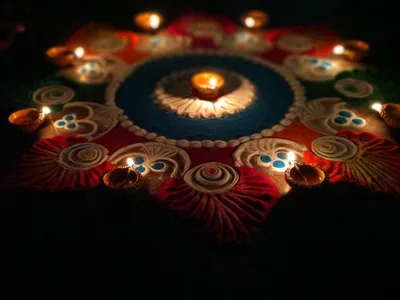
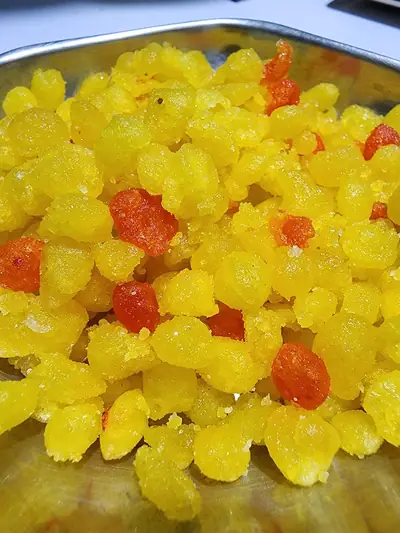
Sisters draw a small square of rice flour, seat the brother there, apply tilak and feed him sweets.
Maharashtra and Goa
Bhau Beej brings brothers to their sisters' homes for a festive meal and the aarti.
West Bengal
On Bhai Phonta sisters put a sandal and kajal mark on the brother's forehead with a wish for long life.
Mathura
Brothers and sisters take a holy dip together in the Yamuna at Vishram Ghat.
Nepal
Bhai Tika on the last day of Tihar uses a seven-colour tika and a garland of makhamali flowers.
Bhai Dooj today
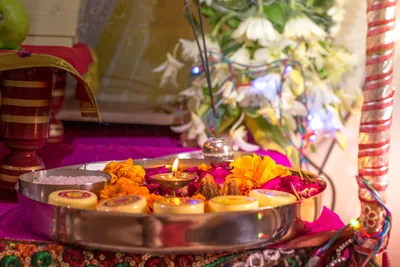
Sisters fast or pray in the morning, prepare a thali with roli, rice and sweets, and welcome their brothers. The brother gives a gift and his promise of care, and the day ends with a family meal.