- Margazhi month (Dec-Jan)
- Thiruvathirai (Ardra) star
- Chidambaram, Tamil Nadu
- Thiruvathirai kali
Where it began
Arudra is the Sanskrit name of the star Thiruvathirai, and darisanam means a holy sight. The festival is the sight of Nataraja, the dancing Shiva, on the night of this star in Margazhi, the longest nights of the year.
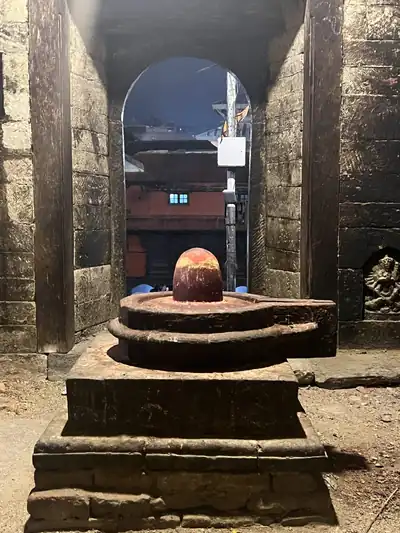
Legend says Shiva danced the Ananda Tandava, the dance of bliss, at Chidambaram before the sages Patanjali and Vyaghrapada. His dance is seen as the rhythm of creation, keeping and ending of the world.
Another story tells of a devotee named Sendanar, a poor woodcutter who offered Shiva a simple dish of kali. The next day the temple priests found grains of kali around the deity, and the dish became the offering of the day.
How it grew over time
Ancient times
Tamil hymns of the Saiva saints praise the dancer of Chidambaram and the Thiruvathirai day.
Chola times
The Chola kings were great devotees of Nataraja and covered the Chidambaram shrine roof with gold.
Temple tradition
A ten-day festival grew at Chidambaram, with a temple car procession before the Arudra day.
Today
Thousands gather at dawn to see Nataraja and Sivakami come out of the shrine in a dancing procession.
How it is celebrated in different places
Chidambaram
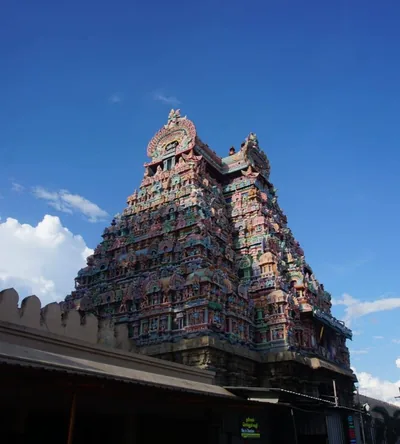
The Thillai Nataraja temple holds the ten-day festival, the car festival and the dawn darshan.
Tamil Nadu temples
Nataraja shrines across the state hold early abhishekam and processions.
Kerala
Thiruvathira is kept by women with fasting, songs and the Thiruvathirakali circle dance.
Tamil temples abroad
Temples in Sri Lanka, Malaysia and Singapore hold Nataraja worship on the day.
Arudra Darisanam moments
Arudra Darisanam today
Families wake before dawn, go to the temple and make Thiruvathirai kali with rice, jaggery and coconut, served with a mixed vegetable kootu. Many women fast for the well-being of their families.