- Vaishakha Shukla Tritiya
- April or May
- A day for new beginnings
- Hindu and Jain
Where it began
Akshaya means that which never runs out. Legend says that on this day Krishna gave the Pandavas the Akshaya Patra, a bowl that never emptied, and that his poor friend Sudama, who brought him a small bag of rice, went home to find his life full of plenty.
Many believe Parashurama, an avatar of Vishnu, was born on this day, and that the river Ganga came down to earth. One story tells that Vyasa began telling the Mahabharata to Ganesha on Akshaya Tritiya.
For Jains, the day remembers the first Tirthankara, Rishabhanatha, breaking his long fast with sugarcane juice, and many Jains end their year-long fasts on this day.
How it grew over time
Ancient times
The day is listed as one of the most lucky days of the year, needing no special timing for good work.
Medieval period
Farmers begin sowing and families hold weddings and housewarmings on this date.
Jain tradition
The varshitap, a year-long fast, ends with sugarcane juice at holy places like Palitana and Hastinapur.
Today
Gold shops see some of their busiest days, and many choose the day for weddings and new homes.
How it is celebrated in different places
Odisha
Work begins on the chariots for the Puri Rath Yatra, and farmers start ploughing.
West Bengal
Traders open new account books with a puja to Ganesha and Lakshmi.
Tamil Nadu and Karnataka
Families buy gold and silver and give food and water to travellers in the summer heat.
Gujarat and Rajasthan
Jains break their year-long fasts, and many weddings take place.
Akshaya Tritiya moments
Akshaya Tritiya today
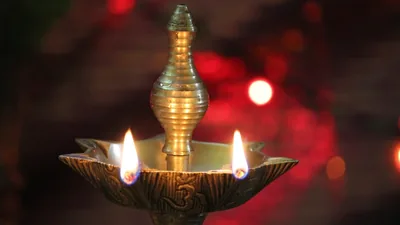
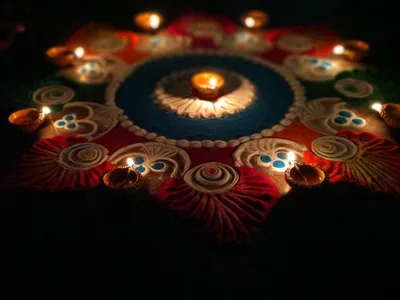
People bathe early, pray, give food, water and clothes to those in need, and start something new. Buying a little gold is a favourite custom, a wish for wealth that keeps growing.