- Ashwin full moon
- September or October
- Kheer in the moonlight
- Also Kojagari and Kumar Purnima
Where it began
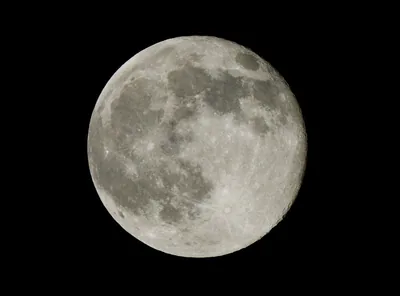
Sharad is the autumn season that follows the rains. Its first full moon is said to shine with all sixteen phases, or kalas, of the moon.
Legend says Krishna danced the Raas Leela with the gopis of Vrindavan on this night. Another story tells that Lakshmi visits homes and blesses those who stay awake.
Many believe the moonlight on this night is healing, so families leave kheer out under the sky and eat it the next morning.
How it grew over time
Ancient times
Autumn full moon festivals and the harvest are linked in early texts.
Medieval period
The Raas Leela of Krishna is told in songs and dance in Braj and beyond.
Modern times
Temples in Vrindavan and Mathura hold special night worship and dance.
Today
Families across India keep kheer in the moonlight and gather on rooftops.
How it is celebrated in different places
Braj, Uttar Pradesh
Temples in Vrindavan dress Krishna in white and hold the Raas under the moon.
Gujarat
Families do garba in the moonlight and enjoy dudh poha, milk with flattened rice.
Odisha
Kumar Purnima is a day for young girls, who pray to the moon and play games.
West Bengal and Assam
The night is Kojagari Lakshmi Puja, with home worship of the goddess.
Maharashtra
Kojagiri Purnima brings friends together on terraces with spiced saffron milk.
Sharad Purnima moments
Sharad Purnima today
Families cook kheer or sweet milk, set it under the moon, and gather on terraces to talk and sing. Many pray to Lakshmi or keep a light fast.