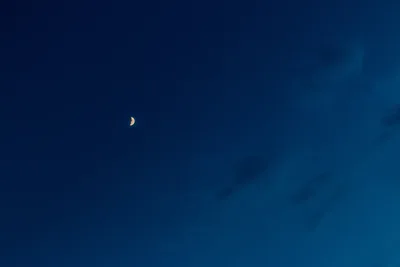
- Night of 14 to 15 Shaban
- Also called Laylat al-Baraat or Mid-Shaban
- About two weeks before Ramadan
Where it began
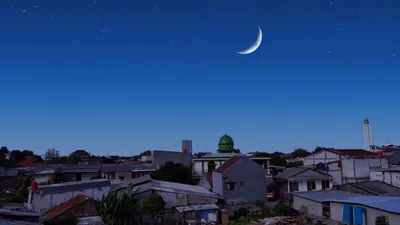
Shab is a Persian word for night, and Barat is often explained as freedom or forgiveness. Many Muslims believe that on this night God shows great mercy and sets the course of the coming year.
The night is kept widely in South Asia, Turkey and parts of the Arab world. Customs and views differ between communities, and these differences are respected within the faith.
How it grew over time
Early Islamic centuries
Scholars record the merit of prayer on the middle night of Shaban.
Medieval period
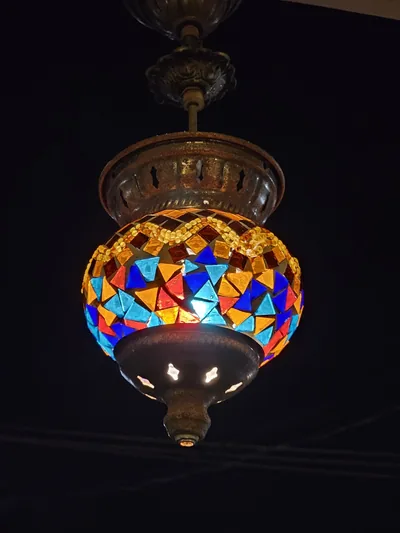
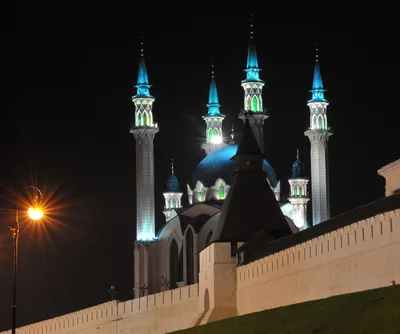
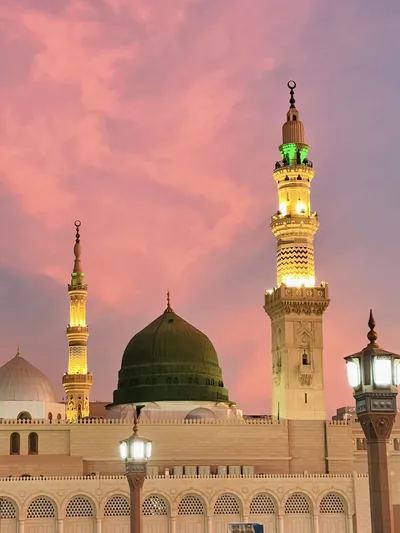
Mosques in many cities hold night prayers and are lit with lamps.
Later centuries
In South Asia, visiting graves and sharing sweets become part of the night.
Today
Mosques fill with people praying through the night.
How it is celebrated in different places
India and Pakistan
Families make halwa, visit graves of loved ones and pray at the mosque.
Bangladesh
Homes make rice bread and halwa to share with neighbours and the poor.
Turkey
Known as Berat Kandili, mosques are lit and families share special bread.
Shab-e-Barat today
Many Muslims spend the night in prayer and reading the Quran, ask forgiveness, pray for departed family members and give food and money to those in need. Some fast on the following day.