TodayTools

About Rosh Hashanah

00 days

About Rosh Hashanah

Rosh Hashanah, meaning head of the year, is the Jewish New Year. It falls on the 1st and 2nd of Tishrei, usually in September or early October, and begins at sunset the evening before.

It opens the Ten Days of Awe that end with Yom Kippur. Jewish tradition holds that on Rosh Hashanah each person's year is written in the Book of Life, so it is both a joyful new year and a time to look back, ask forgiveness and resolve to do better.

The shofar, a ram's horn, is blown in the synagogue. At home families light candles and share festive meals with round challah, apples dipped in honey for a sweet year, pomegranates and honey cake. Many go to a river or the sea for Tashlich, a prayer of casting away sins.

  • 1 and 2 Tishrei
  • Begins the Days of Awe
  • Apples dipped in honey

Where it began

Rosh Hashanah means head of the year. The Torah calls it a day of sounding the horn, and Jewish tradition sees it as the anniversary of the creation of the world and a day of judgement.

The shofar is a horn, usually from a ram. Its call is heard in synagogues as a call to wake up, look back on the year and make a fresh start.

How it grew over time

  1. Biblical times

    The Torah sets a holy day with the sounding of the horn on the first day of the seventh month.

  2. Rabbinic period

    The day becomes known as the New Year and a day of judgement.

  3. Medieval period

    The custom of Tashlich, casting crumbs into flowing water, spreads in many communities.

  4. Today

    Jewish families worldwide gather for synagogue services and festive meals.

How it is celebrated in different places

  • Israel

    People send greeting cards and share round challah bread, apples and honey and pomegranates.

  • US and Europe

    Synagogues fill for long services and the shofar blasts.

  • Sephardic communities

    A special meal with blessings over symbolic foods such as dates and leeks.

Rosh Hashanah today

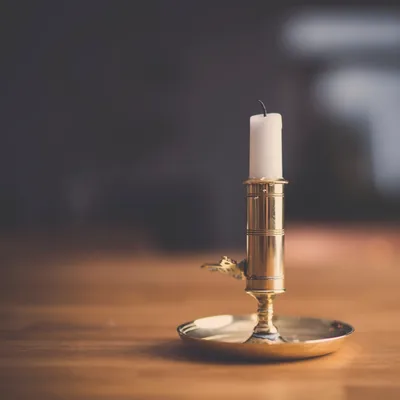
Families light candles and share a festive meal with round challah and apples in honey. In the synagogue people hear the shofar, and many walk to a river or sea for Tashlich.
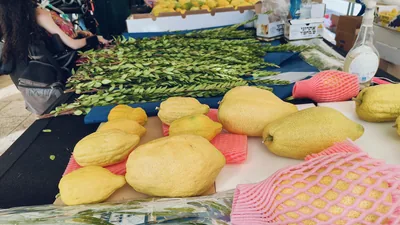
How people celebrate Rosh Hashanah

  • Hearing the shofar
  • Apples dipped in honey
  • Round challah
  • Pomegranates and new fruits
  • Candle lighting and festive meals
  • Tashlich by flowing water
  • Synagogue prayers

How to wish well

  • Shana Tova (a good year) or Shana Tova u'Metuka (a good and sweet year) are the classic wishes. L'Shana Tova is also common.
  • Ketiva vachatima tova, a good writing and sealing, is used from Rosh Hashanah until Yom Kippur.
  • Send wishes before sunset on the eve. Many observant Jews do not use phones on the holiday itself.
  • Gentle jokes about honey cake and brisket are fine; keep the prayers and the shofar respectful.

Questions about Rosh Hashanah

When is Rosh Hashanah 2027?

Rosh Hashanah 2027 begins at sunset on 1 October 2027 and runs on 2 and 3 October 2027, starting the Jewish year 5788.

What do you say on Rosh Hashanah?

Shana Tova, meaning a good year, or Shana Tova u'Metuka, a good and sweet year. In the days after, many say G'mar chatima tova.

Why do people eat apples and honey on Rosh Hashanah?

Dipping apple slices in honey is a wish for a sweet new year. Many also eat honey cake, round challah and pomegranates.

How long is Rosh Hashanah?

Two days, the 1st and 2nd of Tishrei, beginning at sunset the evening before. In Israel and elsewhere it is two days.

What is the shofar?

A horn, usually a ram's horn, blown in the synagogue on Rosh Hashanah as a call to wake up, reflect and return to God.

How do you reply to Shana Tova?

You can say Shana Tova to you too, or Gam lecha (also to you) in Hebrew.

Keep exploring

Related

Coming up next

    All festival wishes

    Donate