TodayTools

About Rath Yatra

00 days

About Rath Yatra

Rath Yatra is the chariot festival of Lord Jagannath, his elder brother Balabhadra and sister Subhadra. It falls on the second day of the bright half of Ashadha, in June or July, and is biggest in Puri, Odisha.

The three deities leave the Jagannath Temple on three huge new wooden chariots, Nandighosha, Taladhwaja and Darpadalana, and are pulled by thousands of devotees to the Gundicha Temple. After nine days they return in the Bahuda Yatra.

It is the one day the Lord comes out among all people, whatever their faith or caste. The Gajapati king sweeps the chariots with a golden broom, and devotees count it a blessing to touch the ropes. Families share mahaprasad and sweets such as poda pitha and khaja.

Rath Yatras are held in Puri, Ahmedabad, Kolkata and many other cities in India, and by devotees in London, New York, Toronto, Sydney and around the world.

  • Ashadha Shukla Dwitiya
  • Puri, Odisha
  • Three new chariots each year
  • Nine days, out and back

Where it began

Rath means chariot and yatra means journey. Legend says the three deities go each year to visit the Gundicha temple, said to be the home of their aunt, and stay there for some days before they return.

Jagannath, whose name means lord of the world, is worshipped in Puri as a form of Krishna or Vishnu. The great temple of Puri dates from the 12th century, and the chariot festival is linked with it from early times.

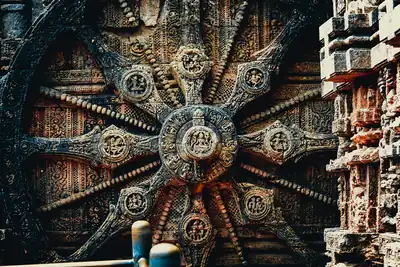
The chariots are built new every year from wood, by families of carpenters who keep the craft from one generation to the next. Jagannath's chariot is Nandighosa, Balabhadra's is Taladhwaja and Subhadra's is Darpadalana.

Devotees crowd around the chariot as it rolls through townNabha, Punjab

How it grew over time

  1. 12th century

    The great Jagannath temple rises in Puri, and the deities become the centre of Odisha's faith.

  2. Medieval period

    Pilgrims from across India walk to Puri to see the chariots, and visitors from far away write about the huge crowds.

  3. 16th century

    Chaitanya Mahaprabhu lives in Puri and is said to dance and sing before the chariots, which gives the festival a deep place in Bengal's devotion.

  4. 1960s and 1970s

    Devotees of Krishna carry the chariot festival to cities around the world, with processions in London, New York and beyond.

  5. Today

    Puri hosts one of the largest religious gatherings in India, and hundreds of towns hold their own chariot processions.

How it is celebrated in different places

  • Puri, Odisha

    Three towering chariots roll down the wide Grand Road. The ruler of Puri sweeps the chariots with a golden broom before they move, a custom called Chhera Pahanra.

  • Ahmedabad, Gujarat

    A long chariot procession winds through the old city, with decorated elephants, music groups and gifts of sprouted moong.

  • West Bengal

    Families and towns pull small and large chariots. Mahesh in Hooghly is known for one of the oldest chariot festivals in Bengal.

  • Cities around the world

    Chariot processions fill streets in London, New York, Toronto, Sydney and many other cities, with free food and music.

Rath Yatra moments

A tall chariot waits as the crowd gathersKhanakul, West Bengal
Long ropes are laid out, ready for many hands to pull
Flowers, garlands and balloons dress the chariot
Jagannath, Balabhadra and Subhadra ride out in flower garlands
A temple chariot in a photograph from 1903
Devotees sit together for songs and prayersKhanakul, West Bengal

Rath Yatra today

Weeks of work come together on the day. Pilgrims arrive in Puri from everywhere, the chariots are pulled by ropes held by thousands of hands, and the deities return home about nine days later in the Bahuda Yatra.

Families who cannot travel watch on television, pull small chariots at home or in their street, and share sweets and khichdi offered to the Lord.
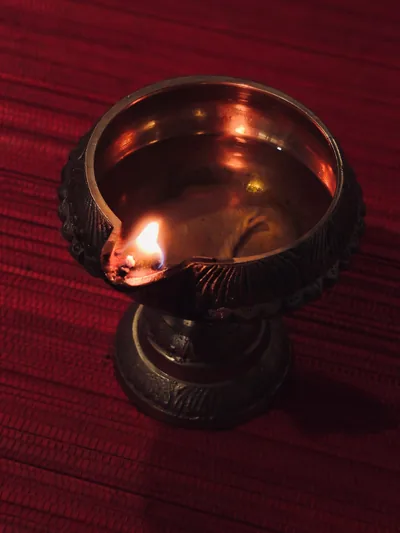
How people celebrate Rath Yatra

  • Pulling the chariot ropes
  • Chhera Pahanra, the sweeping of the chariots
  • Mahaprasad from the temple kitchen
  • Poda pitha and khaja
  • Bahuda Yatra, the return after nine days
  • Processions in cities around the world

How to wish well

  • Send wishes in the morning, before the chariots roll in the afternoon.
  • "Jai Jagannath" is the greeting every devotee loves.
  • Odia friends will be glad of a wish in Odia: "Shubha Rathayatra".
  • Keep wishes devotional and warm; avoid jokes about the deities.

Questions about Rath Yatra

When is Rath Yatra 2026?

Rath Yatra is on 16 July 2026, the second day of the bright half of Ashadha.

When is Rath Yatra 2027?

Rath Yatra in 2027 is expected on 5 July.

Why is Rath Yatra celebrated?

Lord Jagannath, Balabhadra and Subhadra travel by chariot from their temple to the Gundicha Temple, their aunt's home, and come out to bless all people.

What are the names of the three chariots?

Nandighosha for Lord Jagannath, Taladhwaja for Balabhadra and Darpadalana for Devi Subhadra.

What do you say on Rath Yatra?

Say "Happy Rath Yatra" or "Jai Jagannath". In Odia, "Shubha Rathayatra"; in Hindi, "Rath Yatra ki hardik shubhkamnayein".

Keep exploring

Related

Coming up next

    All festival wishes

    Donate