- Ninth month of the Islamic calendar
- 29 or 30 days, moon to moon
- Fast from dawn to sunset
Where it began
Muslims believe the Quran was first revealed in Ramadan. Fasting in this month is one of the five pillars of Islam, kept by adults who are well enough to fast.
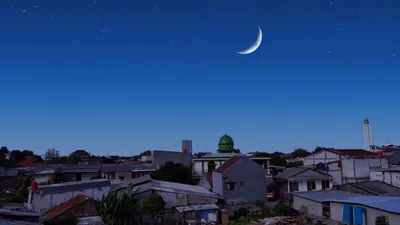
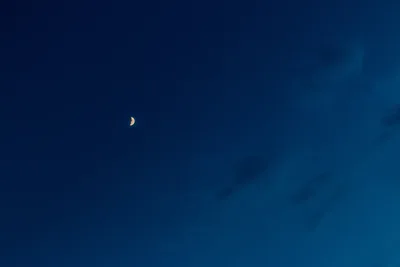
The month begins and ends with the sighting of the new crescent moon. Because the Islamic year is shorter than the solar year, Ramadan moves through all the seasons over about 33 years.
How it grew over time
7th century
Fasting in Ramadan is made a duty for Muslims in the second year after the move to Medina.
Early Islamic centuries
Night prayers called Taraweeh are held together in mosques through the month.
Medieval period
Lanterns, evening markets and the call of drummers who wake people for the pre-dawn meal become part of city life.
Today
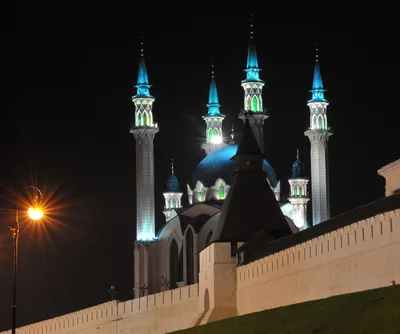
Mosques, homes and cities around the world hold iftar meals, often open to all.
How it is celebrated in different places
Egypt
Colourful fanous lanterns light homes and streets through the month.
India and Pakistan
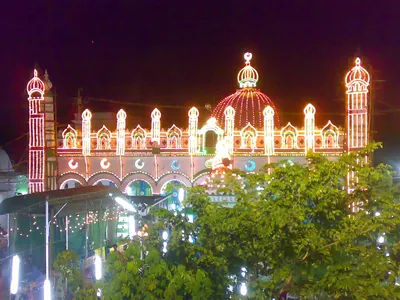
Old city lanes fill with iftar stalls selling dates, haleem and fried snacks after sunset.
Indonesia and Malaysia
Ramadan bazaars sell sweets and snacks before families break the fast.
UK, US and Canada
Mosques and community groups hold open iftars where neighbours of all faiths are welcome.
Ramadan moments
Ramadan today
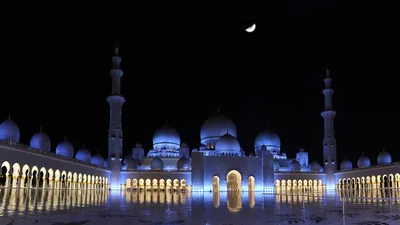
Each day starts with suhoor, a meal before dawn, and ends with iftar at sunset, often with dates and water first. Evenings bring prayer, family meals and giving to those in need, and the month ends with Eid al-Fitr.